


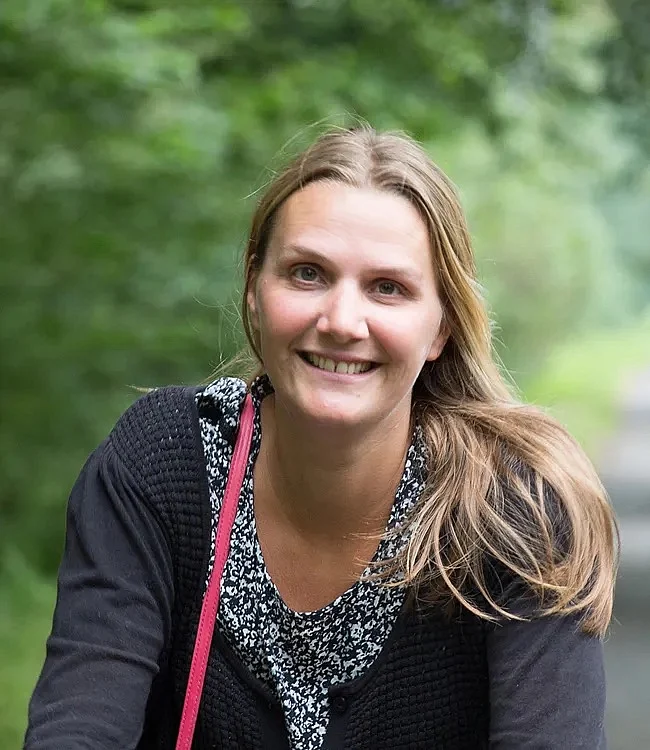
UAE: 80% Of Hate Speech Goes Unreported, Says UNESCO Official At Bridge Summit


Only 20 per cent of people report hate speech online, either because they don't know how to report or because they don't even know that they can report it, according to a United Nations official. Some reports even go unnoticed by social media platforms because they don't recognise some comments as hate speech, the official added.
Hate speech is language that is considered offensive and derogatory that is directed towards an individual or a group of people based on their characteristics, such as religion, race, or gender. Meta (which owns Facebook and Instagram) defines hateful conduct as“direct attacks against people - rather than concepts or institutions.”
Recommended For YouAdeline Hulin, Chief of Unit for Media and Information Literacy (MIL) and digital competencies at Unesco (The United Nations Educational, Scientific and Cultural Organisation), said many people experience hate speech, and Unesco conducted a study in which only 20 per cent of people interviewed reported it to the social media platform they experienced it on.
Stay up to date with the latest news. Follow KT on WhatsApp Channels.
Hulin was speaking on the second day of Bridge Summit, a debut media event taking place in Abu Dhabi National Exhibition Centre, from 8 to 10 December. She likened this low figure to a lack of tools that will help people understand how to report on these matters.
Technology to increase media literacyOne area where technological platforms are showing interest in is user empowerment, which means giving the user the ability to control what and how they use digital tools. Hulin said that platforms show interest in this because it's something that these companies can easily do.
In terms of what Unesco is doing to increase media literacy, the MIL chief said that they are working with technology rather than rely on training people.“We can train people to debunk, recognise fake information, like deepfakes for instance, but technology can do that much easily and quicker,” she said.“Technology can be very useful in order to scale up the efforts.”
Advice for parents and content creatorsDuring the panel session, Hulin also advised parents to increase dialogue with their children to get them to open up about what kind of content they are consuming.“A lot of parents are actually trying to restrict screen time. A lot of parents are turning into police officers. I think a good tip is first look at your own practices and then speak about that.”
She mentioned that parents need to show interest in the kind of information and content creators that their children regularly watch.“The point is that we used to look at the news together now it's something that children are doing more on their own so how to bring this as well in the conversation.”
For content creators, Hulin said that a majority of them need to think about ethical standards and implications and get trained on meeting their capacities in that respect, which Unesco offers.
She added that a majority of creators do not know about the international standards of freedom of expression. According to Unesco's own declaration, this includes the right to freedom of opinion and expression, which includes the freedom to hold opinions without interference and to seek, receive and impart information and ideas through any media and regardless of frontiers.
Unesco's media and information literacy initiatives promote critical thinking and ethical AI use, combating misinformation and bridging knowledge gaps, especially among youth and marginalised groups. It works around the globe to promote media literacy by working with local partners and expertise on the ground so that content is localised.

Legal Disclaimer:
MENAFN provides the
information “as is” without warranty of any kind. We do not accept
any responsibility or liability for the accuracy, content, images,
videos, licenses, completeness, legality, or reliability of the information
contained in this article. If you have any complaints or copyright
issues related to this article, kindly contact the provider above.


Comments
No comment