




403
Sorry!!
Error! We're sorry, but the page you were looking for doesn't exist.
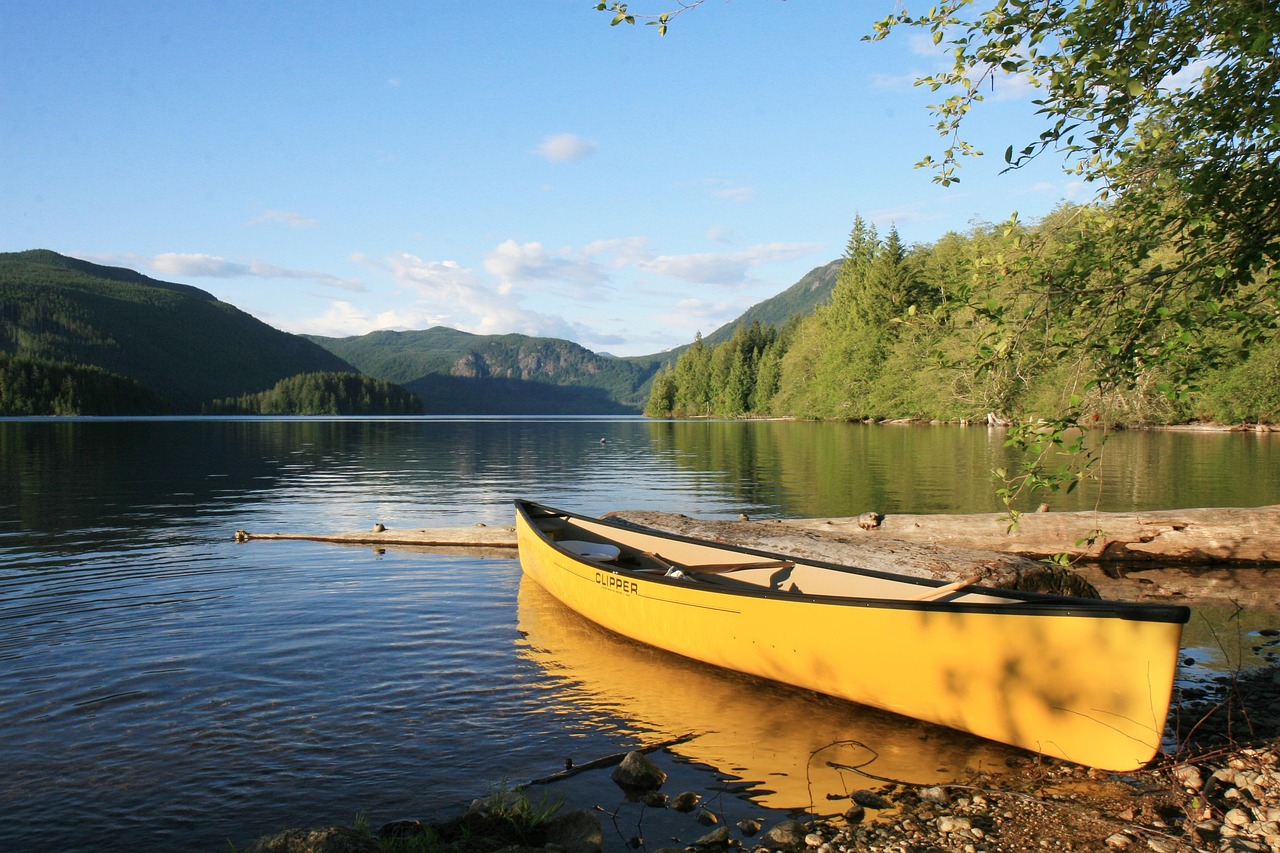
New analysis reveals vast stretches of Europe rapidly lose freshwater
(MENAFN) A new satellite analysis has revealed that vast areas of Europe are rapidly losing freshwater, exposing a hidden water crisis, according to research by University College London in collaboration with Watershed Investigations and The Guardian. The study examined more than two decades of satellite data, which detect subtle changes in Earth’s gravitational field, allowing scientists to measure groundwater, lakes, rivers, soil moisture, and glaciers.
The results show a striking north-south divide in water availability. Northern and northwestern Europe, including Scandinavia, parts of the UK, and Portugal, have become wetter, while southern and southeastern regions, from Spain and Italy to Poland, are experiencing dramatic water losses. Professor Mohammad Shamsudduha, an expert in water crisis and risk reduction, noted that these trends correlate closely with climate change, with shifting rainfall patterns—heavier downpours and longer dry spells—posing serious challenges, particularly in southeastern England, where groundwater supplies about 70% of public water.
Even groundwater, often considered more resilient, is in decline. Across the EU, groundwater abstractions have risen by 6% since 2000, despite an overall decrease in water use. The European Commission has emphasized that its water resilience strategy aims to help countries adapt, noting that leakage levels vary between 8% and 57%. The study underscores Europe’s growing regional water imbalances and raises urgent concerns about long-term water security.
The results show a striking north-south divide in water availability. Northern and northwestern Europe, including Scandinavia, parts of the UK, and Portugal, have become wetter, while southern and southeastern regions, from Spain and Italy to Poland, are experiencing dramatic water losses. Professor Mohammad Shamsudduha, an expert in water crisis and risk reduction, noted that these trends correlate closely with climate change, with shifting rainfall patterns—heavier downpours and longer dry spells—posing serious challenges, particularly in southeastern England, where groundwater supplies about 70% of public water.
Even groundwater, often considered more resilient, is in decline. Across the EU, groundwater abstractions have risen by 6% since 2000, despite an overall decrease in water use. The European Commission has emphasized that its water resilience strategy aims to help countries adapt, noting that leakage levels vary between 8% and 57%. The study underscores Europe’s growing regional water imbalances and raises urgent concerns about long-term water security.

Legal Disclaimer:
MENAFN provides the
information “as is” without warranty of any kind. We do not accept
any responsibility or liability for the accuracy, content, images,
videos, licenses, completeness, legality, or reliability of the information
contained in this article. If you have any complaints or copyright
issues related to this article, kindly contact the provider above.
Most popular stories
Market Research

More Story




Comments
No comment