

How Kashmiri Weddings Turned Into A Social Burden


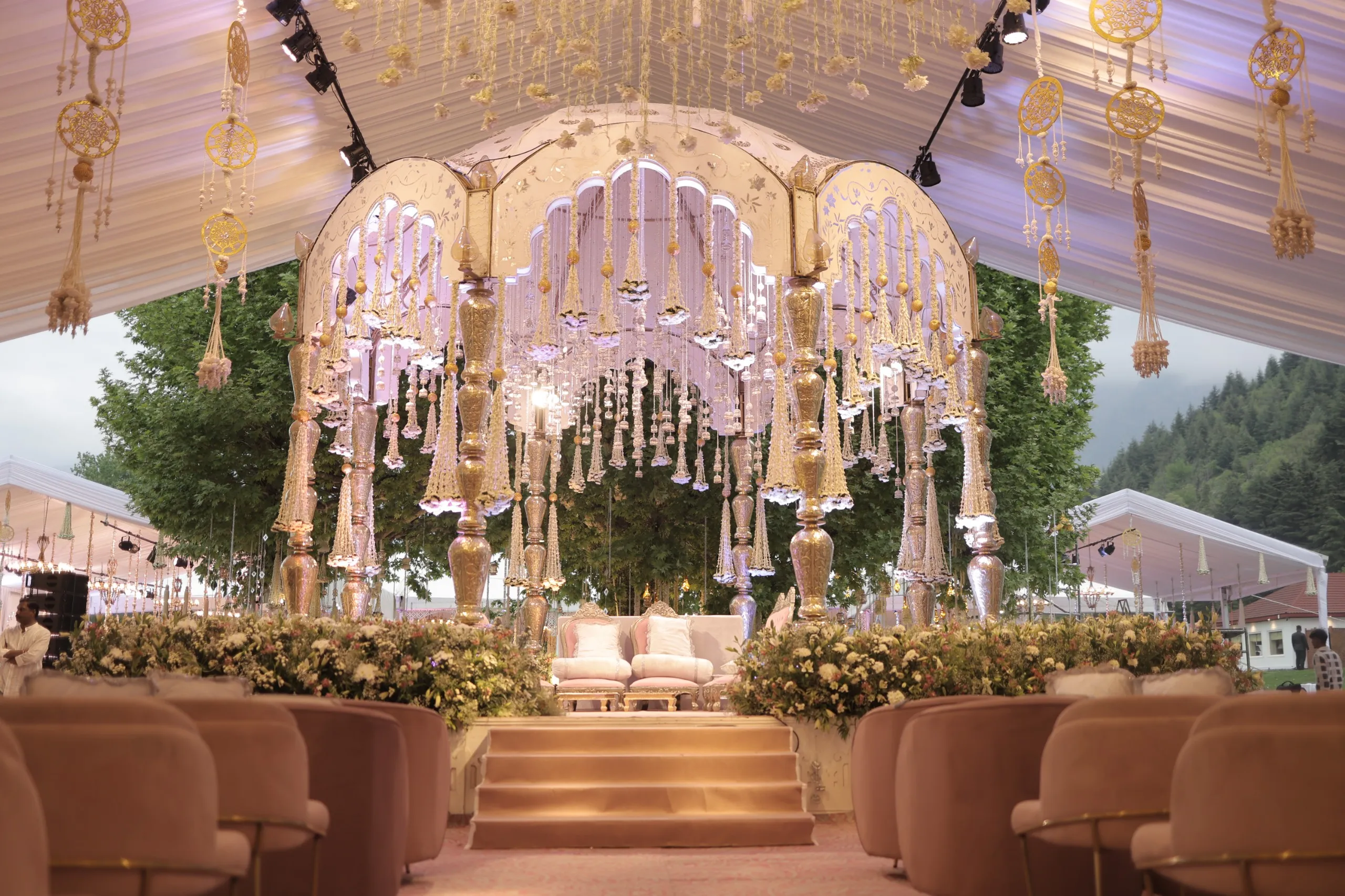
Representational Photo
By Rameez Rasool Mir
The wedding scene in Kashmir these days feels almost unreal, like a show designed more for display than for celebration.
Crystal chandeliers hang from the ceilings, flower arrangements line the walls, and guests pose for professional photographers as if attending a film premiere.
ADVERTISEMENTThe bride changes outfits several times. The groom arrives in a convoy of cars. The meal stretches into a long parade of wazwan courses.
What was once a simple religious union has become a theatre of extravagance.
In Islam, marriage is meant to be a contract built on sincerity and simplicity. The Prophet (صلى الله عليه وسلم) urged his followers to marry for faith, not for display. But Kashmiri weddings have drifted far from this principle.
The modern celebration has become an exhibition of wealth, and many families now spend years recovering from the costs of a single day.
Some sell land, livestock, or even take loans to meet these rising expectations. A sacred ceremony has become a social burden.
Older Kashmiris remember a very different time. Weddings were held at home or in the neighbourhood, with a handful of guests and a modest meal. The focus was on the nikah and the blessings of elders. Clothes were borrowed or hand-stitched. Music came from the voices of friends, not sound systems.
Those gatherings may have been small, but they carried warmth and worth. Today, that simplicity feels like a relic from another world.
The economic impact of this change is visible everywhere.
A middle-class family in Srinagar now spends between ₹15 and ₹25 lakh on an average wedding, according to local event planners. Even government employees earning modest salaries often feel pressured to match that standard. Many young men delay marriage because they cannot afford it, while girls remain unmarried due to rising dowry and mehar expectations.
The financial strain feeds into anxiety, unemployment, and resentment within families.
The cultural shift is equally troubling. Western wedding trends and social media aesthetics have entered Kashmiri homes. Theme-based functions, destination pre-shoots, and designer trousseaus now dominate the wedding season.
The idea of togetherness has been replaced by competition. Social acceptance is no longer about character but about spectacle.
There are families who still choose modesty. They hold small weddings, share simple meals, and use their savings for education or community welfare.
These examples are few, but they remind us that humility and happiness can coexist. Every rupee saved from wasteful spending could fund a scholarship, support a neighbour's wedding, or secure a child's future.
If society is to heal from this obsession, it needs honest conversations. Religious leaders, community elders, and civil institutions should speak against this growing consumerism.
Marriage should never be a reason to fall into debt. It should unite families, not divide them by financial strain.

Legal Disclaimer:
MENAFN provides the
information “as is” without warranty of any kind. We do not accept any
responsibility or liability for the accuracy, content, images, videos,
licenses, completeness, legality, or reliability of the information
contained in this article. If you have any complaints or copyright issues
related to this article, kindly contact the provider above.
Comments
No comment