


Lancet: Conflicts, Climate Change Deepen Global Food Security Gaps


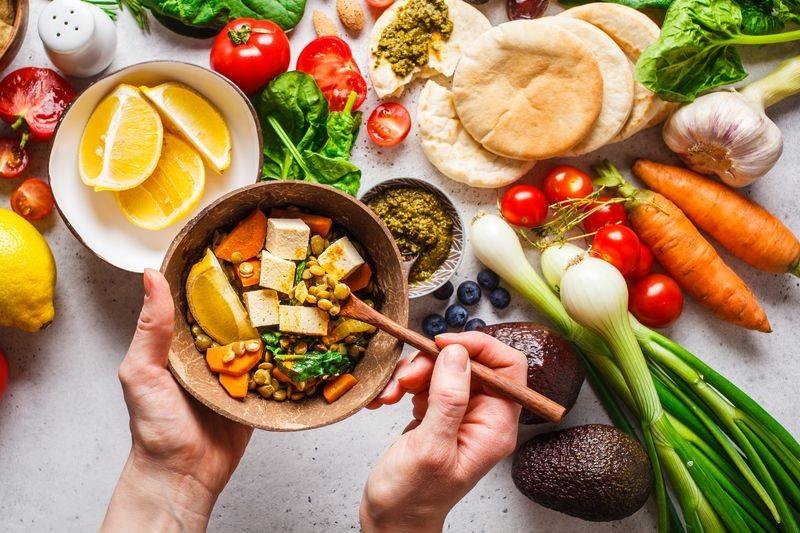
ISTOCK REPRESENTATIONAL PHOTO
About half of the world's population may not be able to access healthy food, clean environment or earn a living wage, indicating inequities in human health that have been made worse by geopolitical conflicts and climate change, according to a new Lancet report.
Further, the world's food system - contributing to 30 per cent of greenhouse gas emissions - is the main driver of challenges the planet faces by impacting climate, biodiversity, land use change, among others, it said.
The crisis of inequity in access to conditions required for good human health and environmental harm due to global food systems threatens human health and the resilience of planet Earth, authors said in the '2025 EAT-Lancet Commission on Healthy, Sustainable, and Just Food Systems'.
Launched in January 2019, the 'EAT-Lancet Commission' outlines recommendations for a 'planetary health diet' - favouring fruits, vegetables, nuts and legumes and small portions of meat and dairy -and targets for achieving a sustainable food production by 2050.
The 2025 report“presents the most comprehensive scientific analysis of global food systems to date,” the authors said.“More than half of the world's population struggles to access healthy diets, leading to devastating consequences for public health, social equity and the environment,” they wrote.
They added,“Although hunger has declined in some regions, recent increases linked to expanding conflicts and emergent climate change impacts have reversed this positive trend.”“The evidence laid out in our report is clear: the world must act boldly and equitably to ensure sustainable improvements. The choices we make today will determine the health of people and the planet for generations,” Shakuntala Haraksingh Thilsted, co-chair of the commission and director for nutrition, health and food security at the Consultative Group on International Agricultural Research (CGIAR), a global parternship of organisations working on food security, said.
“Food systems are a major contributor to many of the crises we face today, and at the same time, the key to solving them,” Thilsted said.
The report reinforces the planetary health diet, first described in the 2019 report as plant-rich, flexible diets, including whole grains - about 150 grams or three to four servings per day.

Legal Disclaimer:
MENAFN provides the
information “as is” without warranty of any kind. We do not accept
any responsibility or liability for the accuracy, content, images,
videos, licenses, completeness, legality, or reliability of the information
contained in this article. If you have any complaints or copyright
issues related to this article, kindly contact the provider above.


Comments
No comment