


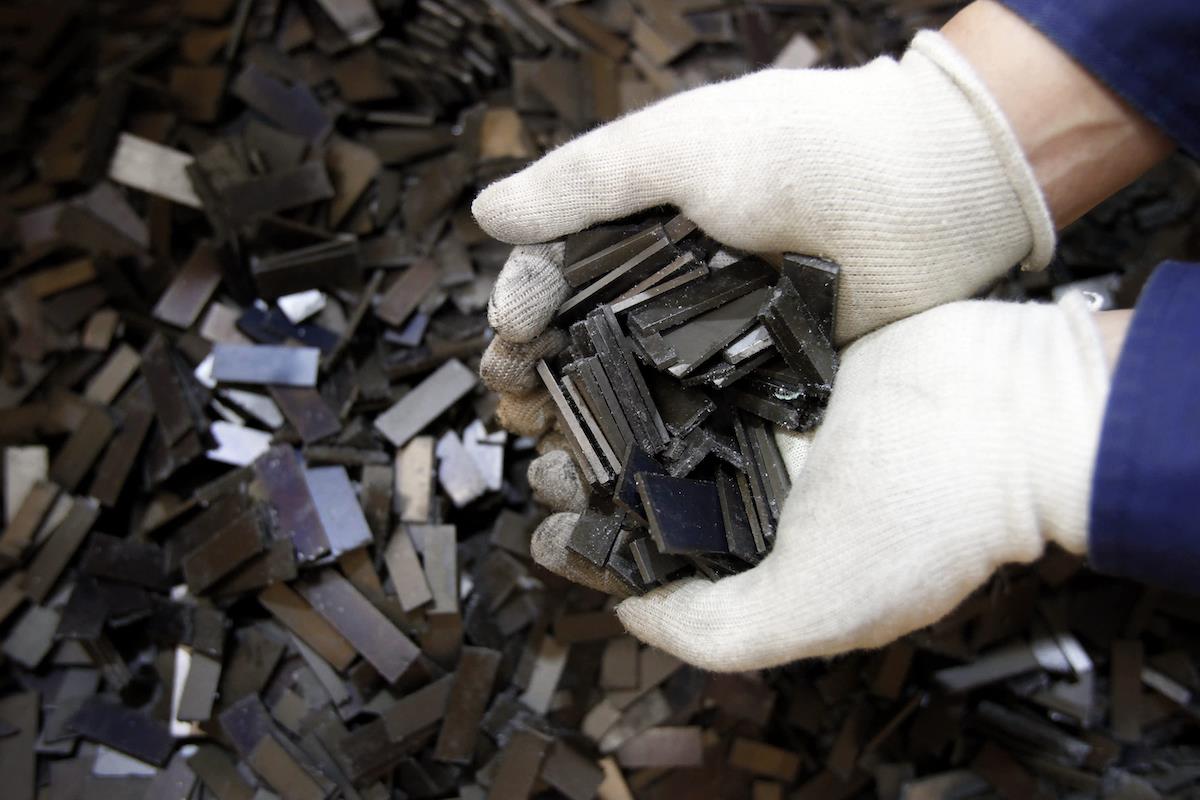
Japan's Plan To Break China's Rare-Earth Stranglehold


While Tokyo has aligned itself with partners such as the US, Australia and India to reduce reliance on Chinese rare earths, analysts caution that Beijing continues to dominate the supply chain, particularly in refining of rare-earth elements (REEs), where it holds over 90% of global capacity.
Japan's vulnerability was underscored following the 2010 export embargo by China, which catalyzed efforts to diversify sourcing. Recent trade data shows that Japan has significantly increased rare-earth imports from India and Southeast Asia, yet concerns persist about long-term supply security, as India aims to conserve its current rare-earth reserves.
At the same time, geopolitical developments, such as new US interest in Myanmar's rare-earth reserves and Quad-backed supply chain initiatives, highlight the growing strategic salience of these materials.
As the global push toward clean energy and advanced manufacturing accelerates, Japan's ability to secure a resilient and independent rare-earth supply chain remains a critical test of its industrial policy and diplomatic leverage.
The 2010 rare earth embargo on Japan remains a pivotal turning point in China's deployment of resource nationalism, exposing the strategic utility and limits of using REEs as a tool of economic statecraft.
While Beijing denied any formal restrictions, the abrupt halt in exports following the Senkaku boat collision sent shockwaves through Japan's manufacturing sector, which depended on China for over half of its REE imports at the time.
According to an extensive paper published this year by Dr Florence W. Yang of National Chengchi University, this incident catalyzed a dual-track shift: Japan scrambled to diversify its rare-earth sources and innovate around REE alternatives, while China doubled down on asserting control over its domestic REE industry through production caps, export taxes and strict investment regulations.
The episode not only demonstrated the geopolitical risks of supply concentration but also revealed China's own internal challenges, most notably widespread smuggling and regulatory gaps that undermined its pricing power.
In response, Beijing has since moved to restructure its rare-earth sector, forming state-backed conglomerates and launching a long-term strategy to dominate both upstream extraction and downstream magnet manufacturing.
For Japan, the 2010 crisis served as a cautionary tale, reinforcing the urgency of building a self-reliant and geopolitically resilient rare-earth supply chain in the decade that followed.



Legal Disclaimer:
MENAFN provides the
information “as is” without warranty of any kind. We do not accept any
responsibility or liability for the accuracy, content, images, videos,
licenses, completeness, legality, or reliability of the information
contained in this article. If you have any complaints or copyright issues
related to this article, kindly contact the provider above.


Comments
No comment