


Why Buddhism Frowns On AI Avatars Of The Dead


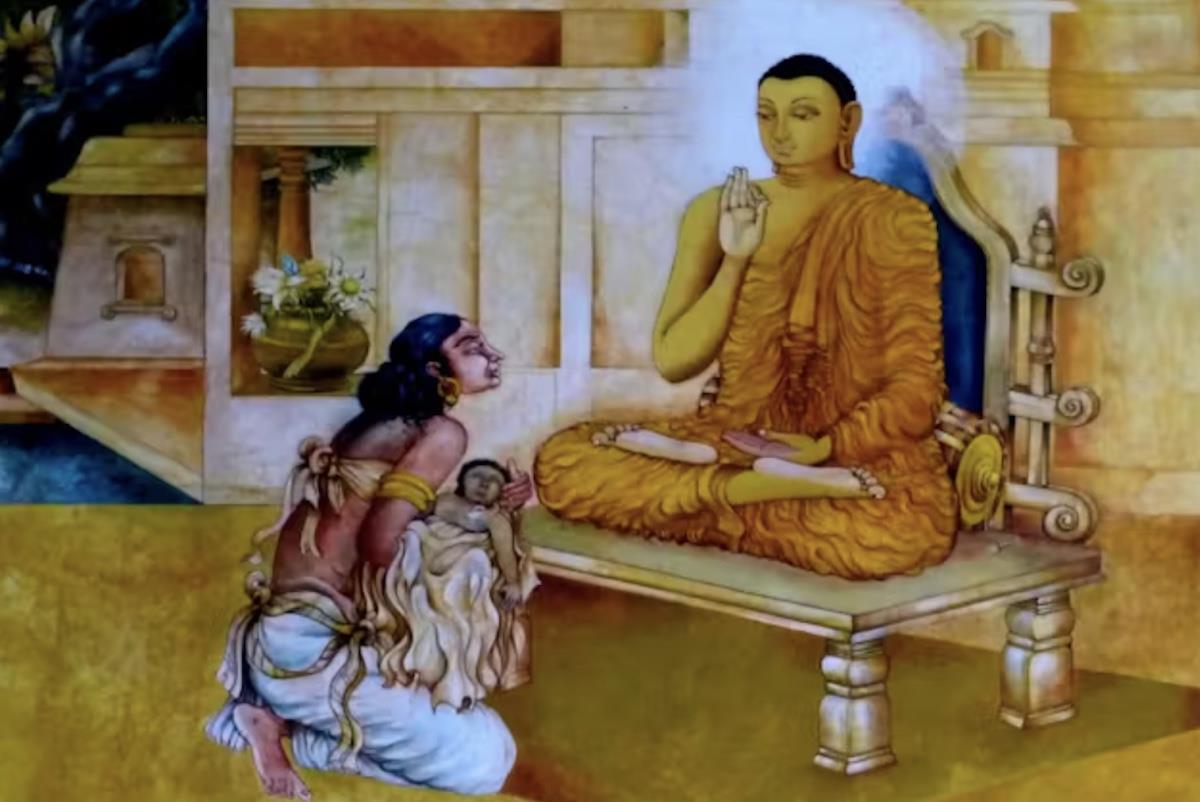
When she encounters the Buddha, he asks her to collect several mustard seeds from a family that has never experienced death. Not surprisingly, Kisa Gautami is unable to find a single such family. She buries her child and decides to cultivate a spiritual life.
I thought of Kisa Gautami's story when I first encountered the 2020 Korean documentary“Meeting You ,” in which virtual reality technology is used to reunite a grieving mother, Jang Ji-sung, with her deceased 7-year-old daughter, Nayeon.
While the virtual reunion was moving to witness, I wondered whether it was truly helping the mother to heal, or whether it was deepening an avoidance of grief and of the truth.
Since the documentary first aired, the business of digitally resurrecting the deceased has grown significantly. People are now using AI to create“grief bots ,” which are simulations of deceased loved ones that the living can converse with.
There has even been a case where an AI-rendered video of a deceased victim has appeared to deliver a court statement asking for the maximum sentence for the person who took their life.
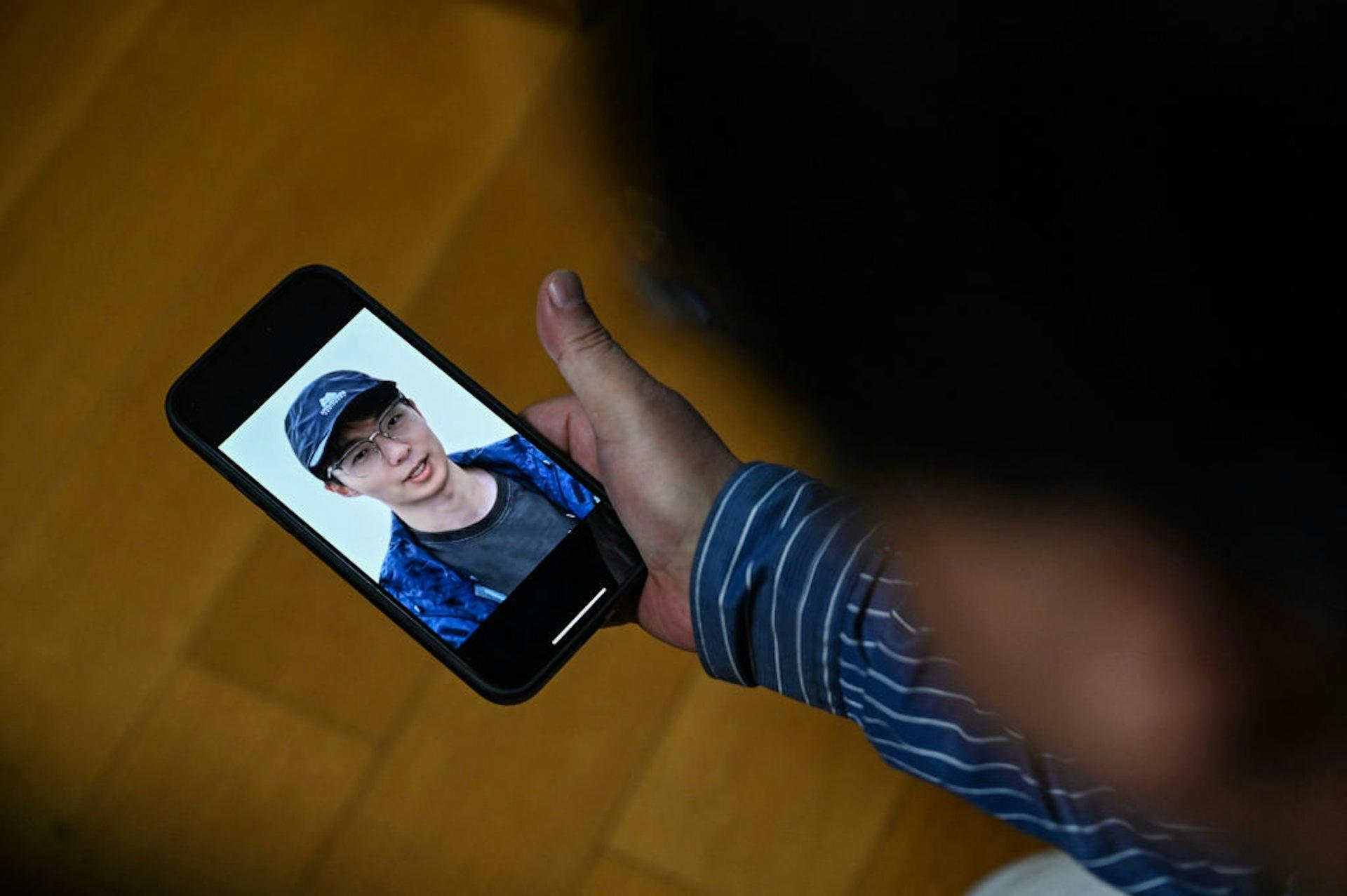
A video created with artificial intelligence shows the face and voice of a young man who died at 22 while attending Exeter University in Britain. Photo: Hector Retamal /AFP via Getty Images / The Conversation
As a Buddhist studies scholar who has experienced several bereavements this year, I have turned to Buddhist teachings to reflect on how creating a digital afterlife for loved ones may inadvertently enhance our suffering, and what alternative ways of grieving Buddhism might offer.




Legal Disclaimer:
MENAFN provides the
information “as is” without warranty of any kind. We do not accept
any responsibility or liability for the accuracy, content, images,
videos, licenses, completeness, legality, or reliability of the information
contained in this article. If you have any complaints or copyright
issues related to this article, kindly contact the provider above.


Comments
No comment