


UNDP: 97% Of Afghanistan's Population Faces Energy Poverty


The United Nations Development Programme (UNDP) has reported that 97 percent of Afghanistan's citizens face energy poverty. This alarming figure highlights the severe energy crisis affecting millions across the country.
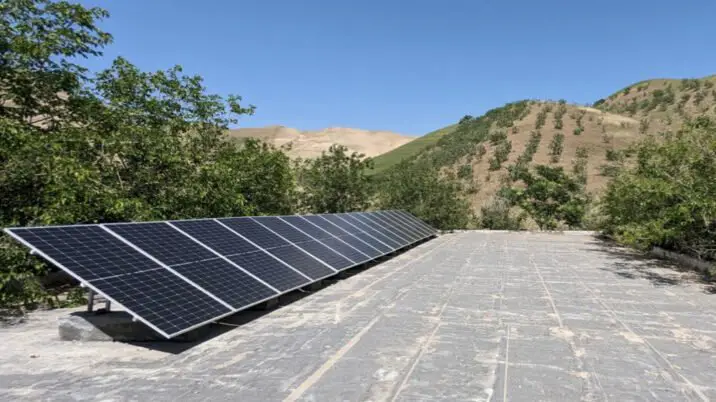
On Sunday, June 1, UNDP shared on its official X account that its renewable energy initiatives have reached millions of Afghans. These projects aim to transform clinics, businesses, and everyday life by providing cleaner and more reliable energy.
UNDP further emphasized that decades of conflict have left Afghanistan among the most energy-insecure countries globally. The persistent instability has severely hampered infrastructure development and energy access.
Meanwhile, Afghanistan continues to rely heavily on imported electricity. Mullah Baradar, Deputy Economic Chief of the Taliban's Cabinet, noted this dependency during the inauguration of a solar energy project.
UNDP's renewable energy efforts represent a critical step toward addressing energy poverty and improving living standards in Afghanistan, especially in remote and conflict-affected areas.
The ongoing political uncertainty and security concerns threaten the sustainability and expansion of energy infrastructure in Afghanitsan.
International cooperation and sustained investment are essential to support Afghanistan's energy sector. Renewable energy could play a pivotal role in driving economic recovery and enhancing resilience for Afghan communities.
ShareFacebook Twitter WhatsApp Email Print Telegram
Legal Disclaimer:
MENAFN provides the
information “as is” without warranty of any kind. We do not accept any
responsibility or liability for the accuracy, content, images, videos,
licenses, completeness, legality, or reliability of the information
contained in this article. If you have any complaints or copyright issues
related to this article, kindly contact the provider above.


Comments
No comment