


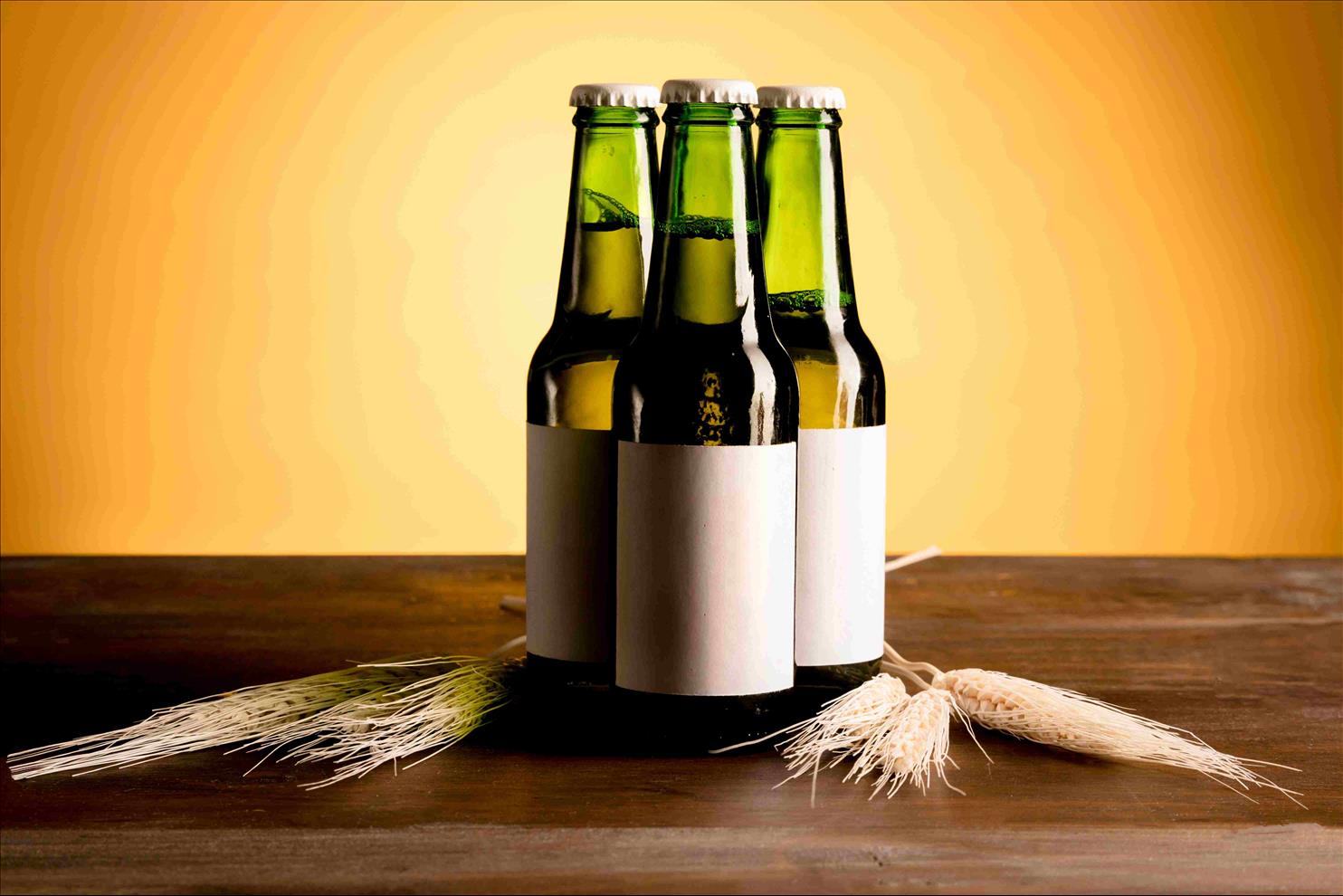
Alcohol Packaging Market: Trends, Growth Drivers, and Future Outlook 2024–2032


(MENAFN- stats and research) The global alcohol packaging market is entering a period of dynamic transformation, fueled by evolving consumer preferences, technological advancements, and a mounting emphasis on sustainability. We recognize the market’s accelerating momentum, valued at USD 68.8 billion in 2023 and projected to soar past USD 101.7 billion by 2032, at a robust CAGR of over 4.9%. In this detailed analysis, we uncover the key dynamics, opportunities, and innovations reshaping the alcohol packaging landscape.
Emerging Dynamics in Alcohol Packaging
Surge in Premiumization and Sustainable Packaging Demand
We observe a decisive shift toward premium and eco-conscious packaging solutions. Consumers increasingly favor craft spirits, artisanal wines, and ready-to-drink (RTD) options presented in sustainable formats. Glass, despite its dominance, is being innovatively adapted into lighter, more durable forms to meet the demands for premium appeal and environmental responsibility.
Technological Innovations Fueling Market Growth
Smart packaging technologies are reshaping how consumers interact with alcohol brands. QR-coded bottles, tamper-evident seals, and temperature-sensitive labels are becoming standard practices, ensuring authenticity and enhancing consumer trust. These advancements enable brands to foster deeper engagement while guaranteeing product safety.
Key Challenges in the Alcohol Packaging Landscape
Despite flourishing growth, the market grapples with critical challenges:
Environmental Concerns: Glass and plastic waste are under intense scrutiny, accelerating the shift to biodegradable, refillable, and recyclable alternatives.
Regulatory Pressure: Stricter environmental regulations are forcing manufacturers to innovate rapidly.
Material Cost Volatility: Fluctuating raw material costs could impact profitability if not mitigated through innovation and sustainable sourcing strategies.
Segmentation Insights: Deep Dive Analysis
Material Type: Glass Leads, Paper & Paperboard Surge
Glass: Retaining 53% market share, glass remains the preferred medium for premium alcohol packaging, celebrated for its preservation qualities and recyclability. Innovations like lightweight and tempered glass are poised to counteract its fragility and weight disadvantages.
Paper & Paperboard: Expected to expand at a 6.2% CAGR, driven by cartons and eco-friendly labeling solutions, appealing to environmentally conscious consumers.
Alcohol Type: Beer Dominates, RTDs Fastest Growing
Beer: Holding a 41.35% market share, beer packaging thrives on the popularity of craft brews and aluminum cans.
Ready-to-Drink Beverages: With a projected 6.5% CAGR, the RTD category is surging as consumers seek portable, convenient alcoholic options such as canned cocktails and hard seltzers.
Packaging Type: Bottles Reign Supreme, Pouches Emerge Strong
Bottles: Commanding 56% market share, bottles continue to dominate, especially across wine, spirits, and beer.
Pouches: Gaining popularity for RTD cocktails, pouches are forecasted to grow at 6.3% CAGR, favored for their portability and convenience.
Size & Capacity: Standard Formats Prevail
Standard Packaging: Dominating at 59% market share, standard sizes remain the industry staple for packaging across diverse alcohol types.
Distribution Channel: Supermarkets Still Lead, Online Retail Booms
Supermarkets & Hypermarkets: Representing 45.5% of sales, traditional retail continues to thrive due to consumer preference for one-stop shopping.
Online Retail: Growing rapidly at 6.5% CAGR, fueled by the rise in direct-to-consumer alcohol delivery services and e-commerce platforms.
Competitive Landscape: Strategies Shaping the Future
The alcohol packaging market is characterized by fierce competition, innovation, and strategic alliances. Key players include:
Amcor PLC
Ball Corporation
Ardagh Group S.A.
Crown Holdings Inc.
Owens-Illinois Inc.
Stora Enso Oyj
Gerresheimer AG
Berry Global Inc.
Nampak Ltd
Vidrala S.A.
Diageo
Jinx Drinx
Strategic Developments
Diageo's Paper-Based Bottle: A groundbreaking move toward plastic-free spirits packaging.
Jinx Drinx's Tamper-Proof Pouches: Addressing consumer safety concerns in nightlife settings with straw-embedded, tamper-proof pouches.
These strategic innovations set new industry benchmarks, emphasizing sustainability, safety, and consumer-centric designs.
Future Outlook: Key Trends Shaping 2024–2032
Rise of Smart Packaging Solutions
Smart features like interactive QR codes, real-time freshness indicators, and NFC technology will enhance transparency and elevate the consumer experience.
Revolution in Sustainable Materials
Expect exponential growth in biodegradable plastics, paper-based bottles, compostable closures, and lightweight aluminum formats, aligning with regulatory compliance and eco-conscious consumer demand.
E-commerce-Ready Packaging
Durable, insulated, and shock-resistant designs will become crucial to ensuring product integrity in the booming online alcohol delivery market.
Customization and Limited Editions
Brands will increasingly invest in bespoke packaging designs, limited edition collections, and premium aesthetics to capture luxury, craft, and health-focused segments.
This flowchart outlines the interconnected factors driving alcohol packaging innovations and market dynamics.
Conclusion
At [Our Company], we assert that the future of the alcohol packaging market will be shaped by the perfect convergence of premium quality, sustainability, innovation, and consumer-centric design. Companies that swiftly adapt to these shifts by embracing smart technologies, eco-friendly materials, and tailored packaging solutions will dominate the marketplace by 2032.
The alcohol packaging industry stands on the brink of a transformative era, and the opportunities for growth, differentiation, and leadership have never been greater.
Source: Stats and Research
stats and research
Legal Disclaimer:
MENAFN provides the
information “as is” without warranty of any kind. We do not accept any
responsibility or liability for the accuracy, content, images, videos,
licenses, completeness, legality, or reliability of the information
contained in this article. If you have any complaints or copyright issues
related to this article, kindly contact the provider above.


Comments
No comment