




403
Sorry!!
Error! We're sorry, but the page you were looking for doesn't exist.
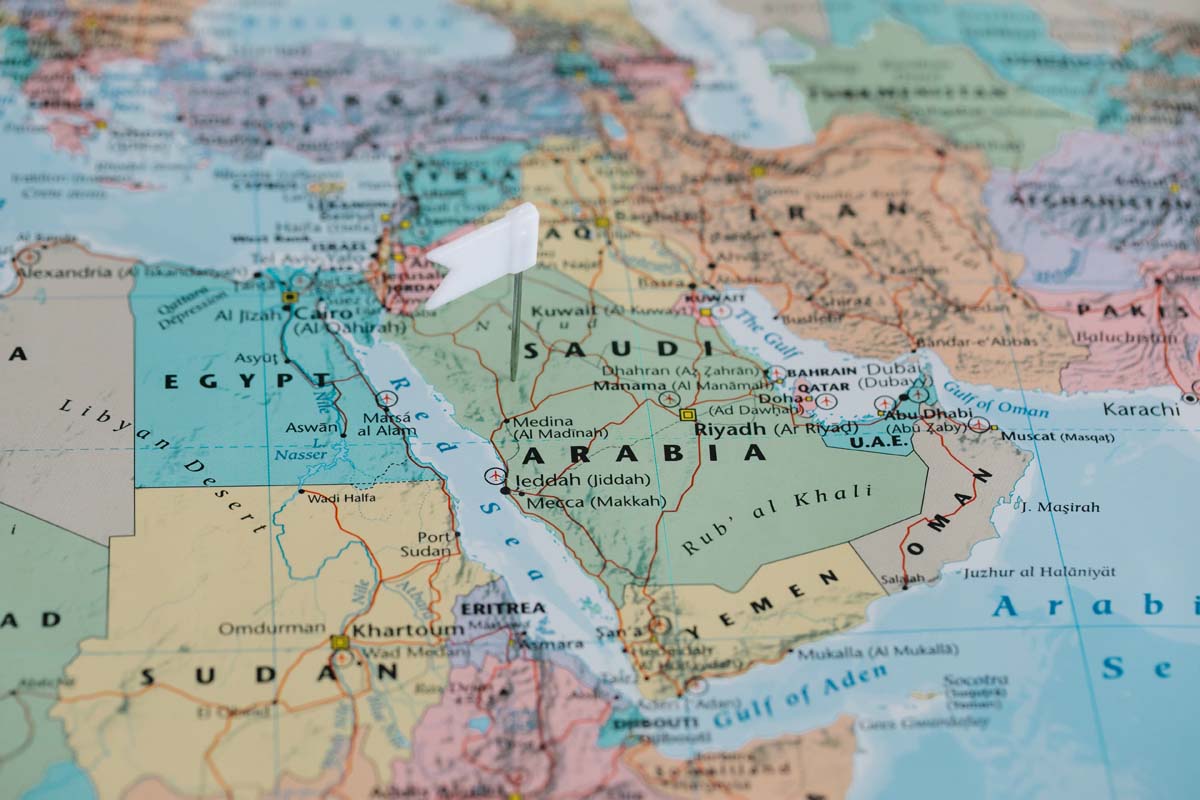
Fossil fuel-rich Middle Eastern countries battle climate swings
(MENAFN) In November, Baku, the capital of Azerbaijan, hosted COP29, a significant event for global climate policy and energy transition efforts. Leaders from over 80 countries gathered, along with experts and business figures, to discuss issues such as increasing climate finance, expanding carbon markets, and addressing emerging challenges. Sultan Ahmed Al Jaber, president of COP28, handed over the summit chairmanship to Azerbaijan, reflecting the collaboration between the COP28, COP29, and COP30 presidencies. While COP29 showcased progress, it also highlighted the difficulties in reconciling the priorities of developed and developing nations, particularly in the Middle East, where countries must balance the need to maintain their hydrocarbon economies with the global push for decarbonization.
Middle Eastern nations, vital players in the global energy market with significant oil and gas reserves, are at the heart of global climate discussions. These countries are facing rising temperatures, desertification, water scarcity, and environmental degradation due to climate change, making it crucial for them to adopt coordinated responses. At COP29, Middle Eastern nations reiterated their commitment to climate targets, while emphasizing the need for approaches that consider their unique economic and social conditions. Saudi Arabia, as a leading oil producer, pledged to achieve carbon neutrality by 2060 and unveiled plans for large investments in renewable energy, such as solar and hydrogen projects. One notable initiative discussed was the Circular Carbon Economy (CCE), focused on reducing emissions through carbon capture and repurposing CO₂, which Saudi Arabia insists should be a key part of global climate agreements. Additionally, the Kingdom launched its first carbon trading platform as part of a broader strategy to expand voluntary carbon markets.
Middle Eastern nations, vital players in the global energy market with significant oil and gas reserves, are at the heart of global climate discussions. These countries are facing rising temperatures, desertification, water scarcity, and environmental degradation due to climate change, making it crucial for them to adopt coordinated responses. At COP29, Middle Eastern nations reiterated their commitment to climate targets, while emphasizing the need for approaches that consider their unique economic and social conditions. Saudi Arabia, as a leading oil producer, pledged to achieve carbon neutrality by 2060 and unveiled plans for large investments in renewable energy, such as solar and hydrogen projects. One notable initiative discussed was the Circular Carbon Economy (CCE), focused on reducing emissions through carbon capture and repurposing CO₂, which Saudi Arabia insists should be a key part of global climate agreements. Additionally, the Kingdom launched its first carbon trading platform as part of a broader strategy to expand voluntary carbon markets.

Legal Disclaimer:
MENAFN provides the
information “as is” without warranty of any kind. We do not accept
any responsibility or liability for the accuracy, content, images,
videos, licenses, completeness, legality, or reliability of the information
contained in this article. If you have any complaints or copyright
issues related to this article, kindly contact the provider above.
Most popular stories
Market Research

More Story




Comments
No comment