


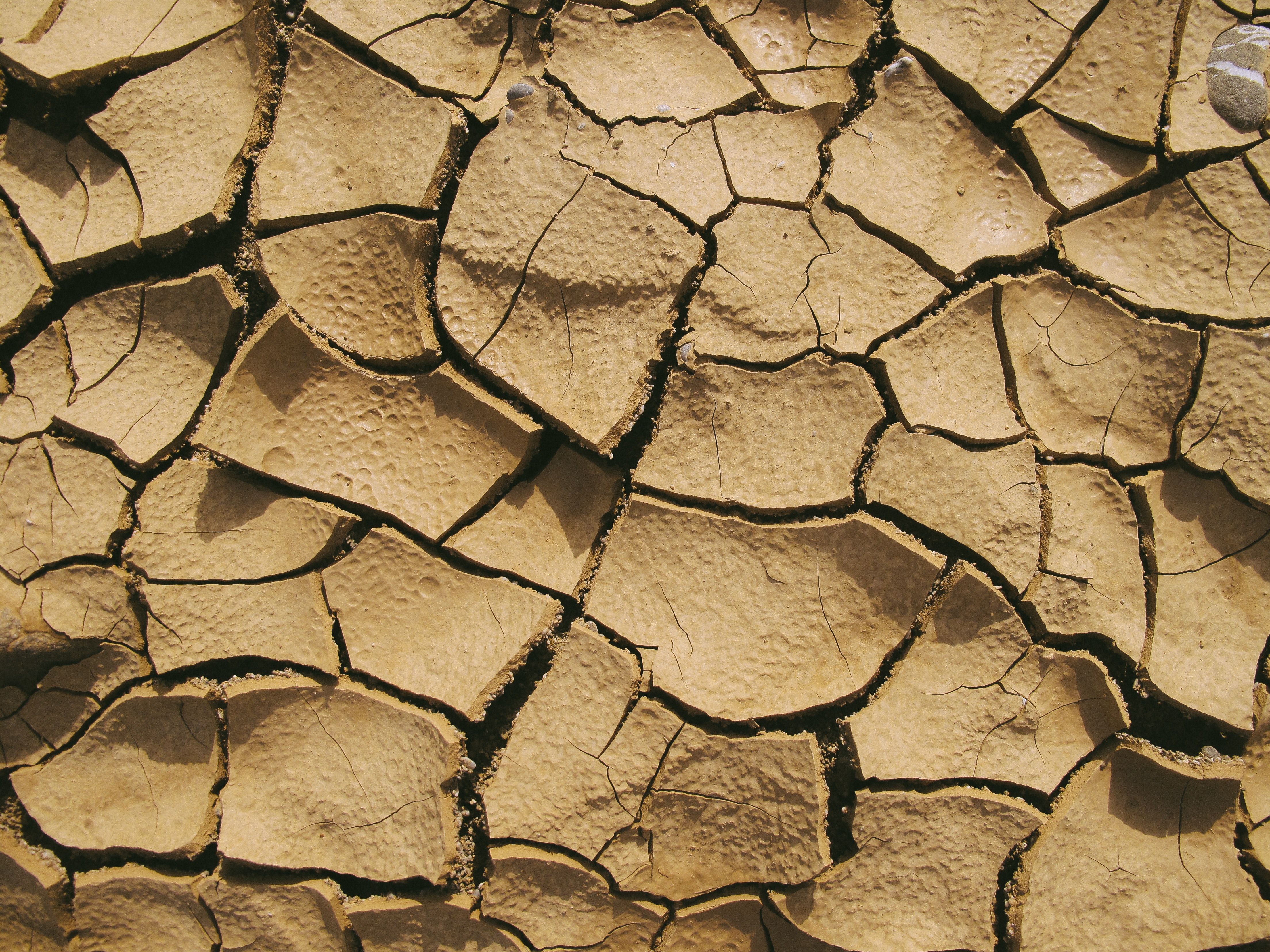
Delhi experiences scorching temperatures reaching record high of 49.9°C


(MENAFN) Delhi, the capital city of India, experienced scorching temperatures reaching a record high of 49.9°C on Tuesday, surpassing normal levels by approximately 10 degrees. The sweltering conditions have prompted the India Meteorological Department (IMD) to issue a red warning for Wednesday and an orange warning for Thursday, indicating the persistence of the heatwave.
A recent study conducted by the Center for Science and Environment (CSE) in Delhi has linked the extreme heat in the Indian capital to rapid urbanization and increased construction activities. As Delhi's urban landscape has expanded, with built-up areas escalating from 31.4percent in 2003 to 38.2percent in 2022, the phenomenon of urban heat stress has intensified, exacerbating the effects of rising temperatures.
Typically, India experiences its peak annual temperatures during the months of April, May, and June before the onset of the monsoon season brings relief from the heat. However, recent years have seen a trend of unusually high temperatures, with the IMD forecasting the arrival of monsoons in Delhi and its surrounding areas around June 30.
The severity of the current heatwave extends beyond Delhi, as the IMD has issued red warnings for "heatwave to severe heatwave" conditions in several regions across North India, including parts of Rajasthan, Haryana, Chandigarh, Punjab, Uttar Pradesh, Madhya Pradesh, Bihar, and Madhya Maharashtra.
Tragically, the heatwave has already claimed at least 60 lives, according to reports from Mint newspapers citing data from the National Centre of Disease Control (NCDC). These casualties underscore the lethal impact of extreme heat events on vulnerable populations.
Furthermore, scientific studies have highlighted the role of human-induced climate change in exacerbating heatwaves in South Asia. A study conducted in 2023 revealed that intense heatwaves in the region are now approximately 30 times more likely due to climate change. Data presented by the Health Ministry in the national parliament indicated that at least 264 people succumbed to heatwave-related fatalities across 14 states last year, further underscoring the urgent need for comprehensive climate adaptation and mitigation measures.
A recent study conducted by the Center for Science and Environment (CSE) in Delhi has linked the extreme heat in the Indian capital to rapid urbanization and increased construction activities. As Delhi's urban landscape has expanded, with built-up areas escalating from 31.4percent in 2003 to 38.2percent in 2022, the phenomenon of urban heat stress has intensified, exacerbating the effects of rising temperatures.
Typically, India experiences its peak annual temperatures during the months of April, May, and June before the onset of the monsoon season brings relief from the heat. However, recent years have seen a trend of unusually high temperatures, with the IMD forecasting the arrival of monsoons in Delhi and its surrounding areas around June 30.
The severity of the current heatwave extends beyond Delhi, as the IMD has issued red warnings for "heatwave to severe heatwave" conditions in several regions across North India, including parts of Rajasthan, Haryana, Chandigarh, Punjab, Uttar Pradesh, Madhya Pradesh, Bihar, and Madhya Maharashtra.
Tragically, the heatwave has already claimed at least 60 lives, according to reports from Mint newspapers citing data from the National Centre of Disease Control (NCDC). These casualties underscore the lethal impact of extreme heat events on vulnerable populations.
Furthermore, scientific studies have highlighted the role of human-induced climate change in exacerbating heatwaves in South Asia. A study conducted in 2023 revealed that intense heatwaves in the region are now approximately 30 times more likely due to climate change. Data presented by the Health Ministry in the national parliament indicated that at least 264 people succumbed to heatwave-related fatalities across 14 states last year, further underscoring the urgent need for comprehensive climate adaptation and mitigation measures.

Legal Disclaimer:
MENAFN provides the
information “as is” without warranty of any kind. We do not accept
any responsibility or liability for the accuracy, content, images,
videos, licenses, completeness, legality, or reliability of the information
contained in this article. If you have any complaints or copyright
issues related to this article, kindly contact the provider above.


Comments
No comment