

403
Sorry!!
Error! We're sorry, but the page you were looking for doesn't exist.
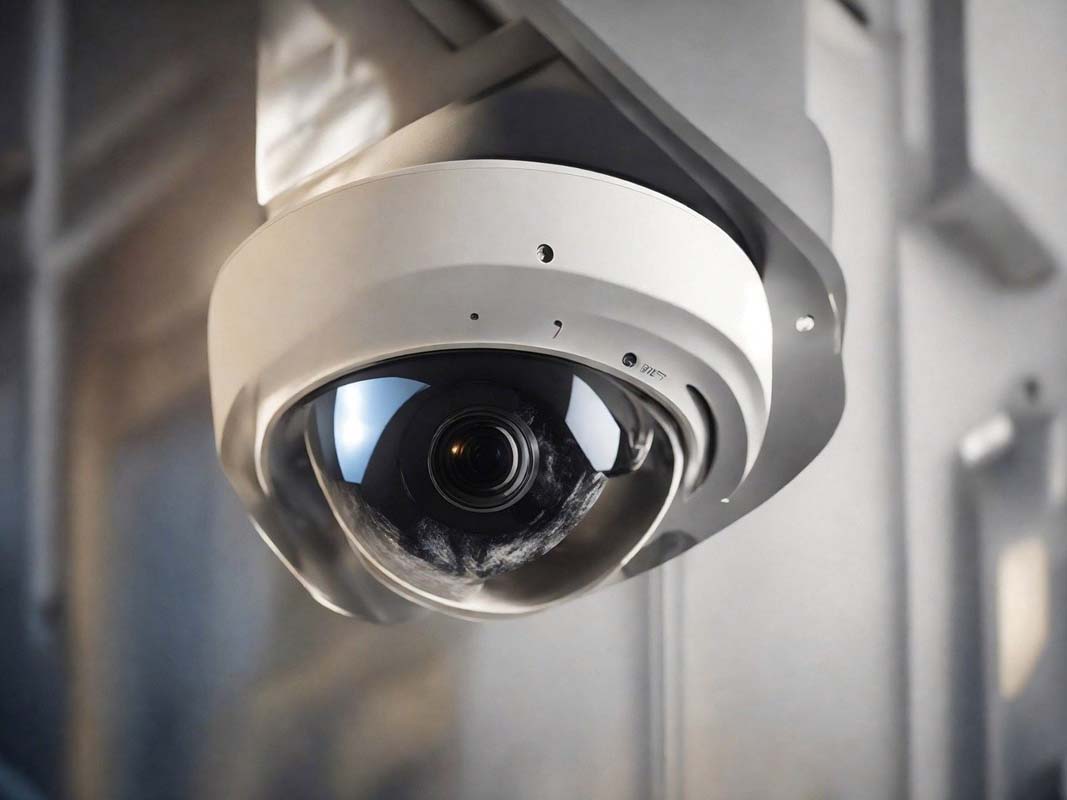
Unauthorized use of facial recognition technology continues despite ban


(MENAFN) In defiance of bans on facial recognition technology in major US cities like Austin and San Francisco, some police departments have resorted to covert tactics to sidestep these restrictions. Despite prohibitions in place, officers in these cities have sought assistance from neighboring law enforcement agencies to run images through facial recognition software, circumventing local regulations.
San Francisco, which implemented a ban on facial recognition in 2019, has witnessed instances where its police department sought external help for facial recognition searches. According to records provided to the county Board of Supervisors, there have been at least five such requests made by the San Francisco Police Department to outside agencies. However, no matches were returned in these cases. The department's spokesperson, Evan Cernowski, has stated that these requests violate city law and were not sanctioned by the department. However, he refrained from commenting on whether any officers faced disciplinary action, citing privacy concerns.
Similarly, in Austin, where a ban on facial recognition was implemented in 2020, the police department has been implicated in receiving results from at least 13 facial searches conducted by a nearby police department. A spokeswoman for the Austin Police Department emphasized that these uses of facial recognition technology were never authorized by the department or city officials. She pledged that the department would review these cases to determine if any violations of city rules had occurred.
These revelations highlight the persistence of unauthorized use of facial recognition technology by law enforcement agencies, raising concerns about the potential misuse and circumvention of regulations aimed at protecting privacy and civil liberties. As states and cities grapple with the ethical and legal implications of facial recognition, the need for robust oversight and enforcement mechanisms becomes increasingly apparent to ensure compliance with established bans and safeguard individual rights.
San Francisco, which implemented a ban on facial recognition in 2019, has witnessed instances where its police department sought external help for facial recognition searches. According to records provided to the county Board of Supervisors, there have been at least five such requests made by the San Francisco Police Department to outside agencies. However, no matches were returned in these cases. The department's spokesperson, Evan Cernowski, has stated that these requests violate city law and were not sanctioned by the department. However, he refrained from commenting on whether any officers faced disciplinary action, citing privacy concerns.
Similarly, in Austin, where a ban on facial recognition was implemented in 2020, the police department has been implicated in receiving results from at least 13 facial searches conducted by a nearby police department. A spokeswoman for the Austin Police Department emphasized that these uses of facial recognition technology were never authorized by the department or city officials. She pledged that the department would review these cases to determine if any violations of city rules had occurred.
These revelations highlight the persistence of unauthorized use of facial recognition technology by law enforcement agencies, raising concerns about the potential misuse and circumvention of regulations aimed at protecting privacy and civil liberties. As states and cities grapple with the ethical and legal implications of facial recognition, the need for robust oversight and enforcement mechanisms becomes increasingly apparent to ensure compliance with established bans and safeguard individual rights.

Legal Disclaimer:
MENAFN provides the
information “as is” without warranty of any kind. We do not accept any
responsibility or liability for the accuracy, content, images, videos,
licenses, completeness, legality, or reliability of the information
contained in this article. If you have any complaints or copyright issues
related to this article, kindly contact the provider above.
Comments
No comment