


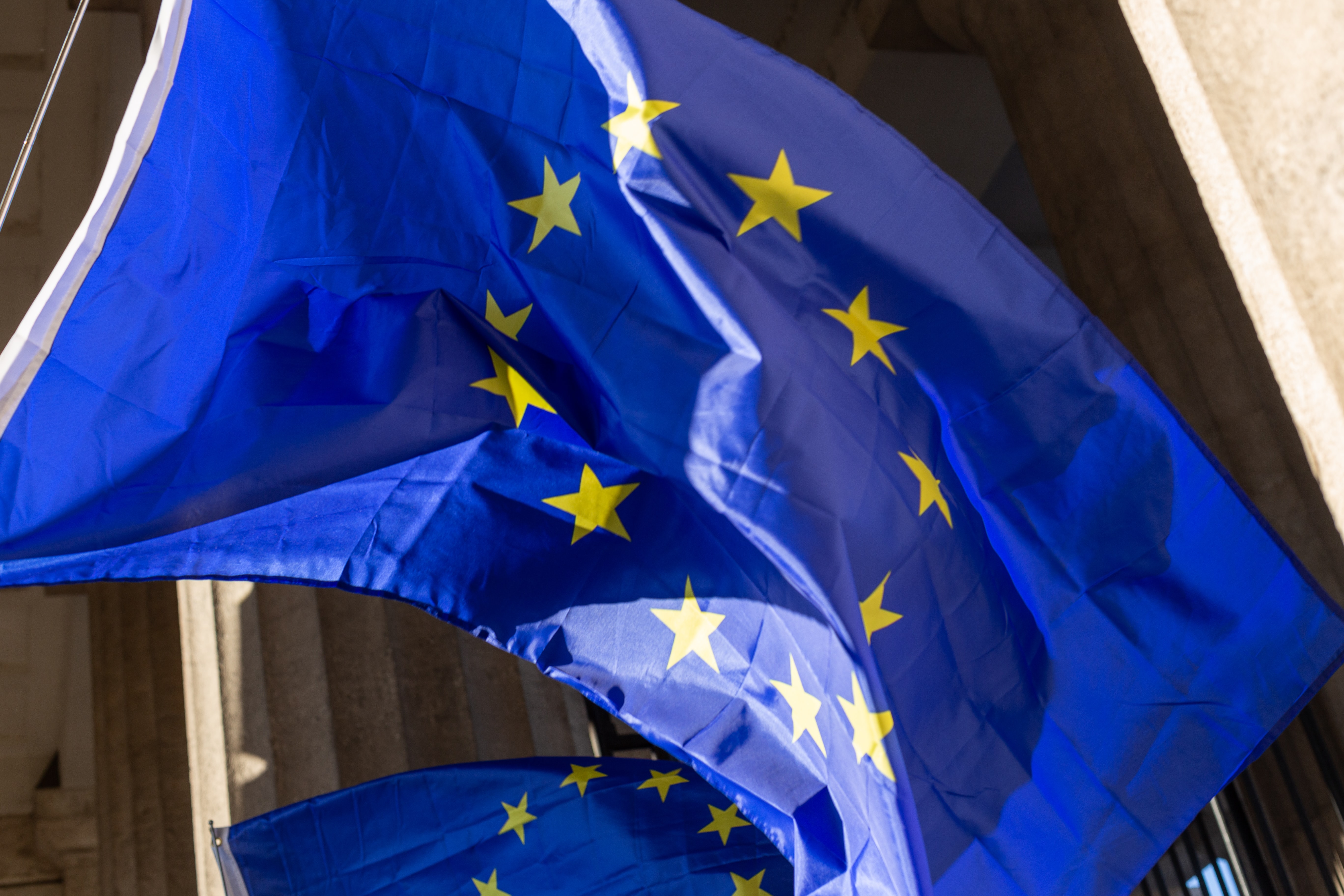
Great associate district opposes EU military


(MENAFN) In a bold declaration on Tuesday, Poland's Defense Minister, Mariusz Blaszczak, unequivocally rejected the concept of an "imaginary European Union army," asserting that the United States remains Poland's key military partner. Blaszczak emphasized that Warsaw is dedicated to constructing "the strongest land army" in Europe, actively pursuing a close partnership with Washington in the process.
Addressing reporters following a meeting with United States Defense Secretary Lloyd Austin, Blaszczak expressed concern about any competition between NATO and the European Union in matters of security. According to Poland's PAP news agency, he stated, "I have found that any competition between [NATO] and the European Union when it comes to security is a very bad thing." Blaszczak emphasized that European Union member states should maintain responsibility for their own defense, opting for a robust alliance with the United States rather than supporting the idea of a European Union army or the delegation of defense competences to the European level.
This stance from Poland stands in contrast to the pre-Ukraine conflict positions of prominent European leaders. French President Emmanuel Macron and former German Chancellor Angela Merkel were vocal advocates of a European Union army, with Macron famously referring to NATO as "brain dead" in 2019. Macron had urged European leaders to pursue a policy of "strategic autonomy" from Washington, which has historically dictated security policy in Europe through NATO since the end of World War II.
However, in a notable shift, Macron has altered his rhetoric on NATO and now supports the expansion of the United States-led alliance. Meanwhile, Merkel's successor, Olaf Scholz, speaks of the need for "a more sovereign European Union" but has remained silent on the idea of realizing Merkel's vision of "a real, true European army." Despite these diverging perspectives, the European Union did approve the creation of a common defense strategy last year. This strategy outlined the formation of a modest 5,000-strong "rapid deployment" force, falling significantly short of the ambitious vision presented by Macron and Merkel. The differing viewpoints on the establishment of an European Union army underscore the complex dynamics within the European geopolitical landscape, reflecting the ongoing debate over the continent's security architecture.
Addressing reporters following a meeting with United States Defense Secretary Lloyd Austin, Blaszczak expressed concern about any competition between NATO and the European Union in matters of security. According to Poland's PAP news agency, he stated, "I have found that any competition between [NATO] and the European Union when it comes to security is a very bad thing." Blaszczak emphasized that European Union member states should maintain responsibility for their own defense, opting for a robust alliance with the United States rather than supporting the idea of a European Union army or the delegation of defense competences to the European level.
This stance from Poland stands in contrast to the pre-Ukraine conflict positions of prominent European leaders. French President Emmanuel Macron and former German Chancellor Angela Merkel were vocal advocates of a European Union army, with Macron famously referring to NATO as "brain dead" in 2019. Macron had urged European leaders to pursue a policy of "strategic autonomy" from Washington, which has historically dictated security policy in Europe through NATO since the end of World War II.
However, in a notable shift, Macron has altered his rhetoric on NATO and now supports the expansion of the United States-led alliance. Meanwhile, Merkel's successor, Olaf Scholz, speaks of the need for "a more sovereign European Union" but has remained silent on the idea of realizing Merkel's vision of "a real, true European army." Despite these diverging perspectives, the European Union did approve the creation of a common defense strategy last year. This strategy outlined the formation of a modest 5,000-strong "rapid deployment" force, falling significantly short of the ambitious vision presented by Macron and Merkel. The differing viewpoints on the establishment of an European Union army underscore the complex dynamics within the European geopolitical landscape, reflecting the ongoing debate over the continent's security architecture.

Legal Disclaimer:
MENAFN provides the
information “as is” without warranty of any kind. We do not accept
any responsibility or liability for the accuracy, content, images,
videos, licenses, completeness, legality, or reliability of the information
contained in this article. If you have any complaints or copyright
issues related to this article, kindly contact the provider above.


Comments
No comment