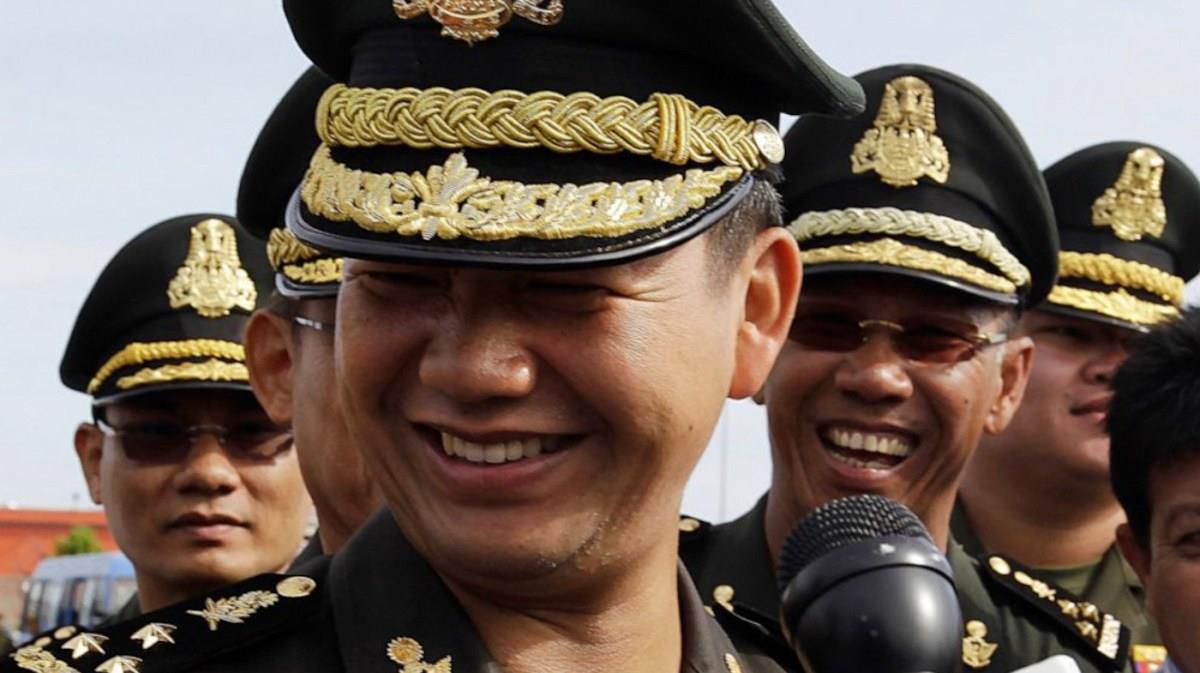
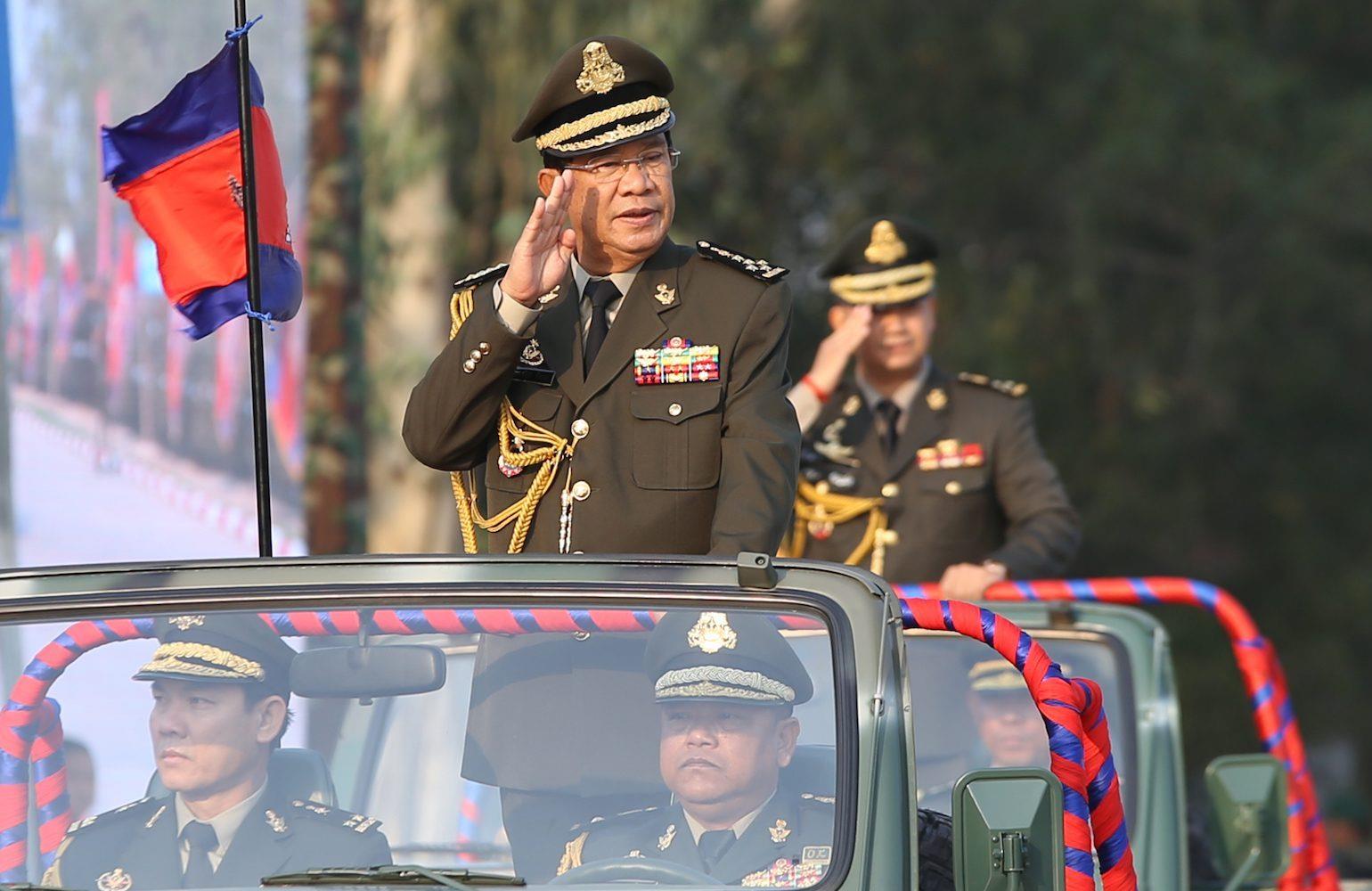
(MENAFN- Asia Times) On July 26, 2023, just days after the general election, Cambodian strongman Hun Sen announced that he would step down and his son, Hun Manet, would succeed him. He proclaimed that the election was the moment that legitimized the succession, showing that Hun Mhad the popular support to become the country's next prime minister.
The
succession plan
was accelerated after the watershed 2013 election - the most competitive general election in recent times - when Hun Sen and the ruling Cambodian People's Party (CPP) received a clear signal that political change was needed to revive the party's declining support.
The new legitimation strategy that saw the children of party leaders succeeding their fathers as government leaders was expected to offer an invigorating political shakeup that the country's growing youth population desperately needs after more than 40 years of CPP rule.
But the generational change only went ahead after the demise of competitive elections. Hun Mand his new government's success in turning Cambodia into an upper-middle income country by 2030 - a goal set by Hun Sen - can determine if competitive elections could return.
Regime stability, achieved through the ruthless repression and co-optation of political opposition, gave Hun Sen and the CPP the confidence that a transfer of power could finally occur.
The CPP was determined to avoid the fate of the United Malays National Organization (UMNO)–Barisan Nasional (BN) coalition in Malaysia by making sure that there was no equivalent to Pakatan Harapan that would throw them out of office.
MENAFN05092023000159011032ID1107006740
Legal Disclaimer:
MENAFN provides the
information “as is” without warranty of any kind. We do not accept
any responsibility or liability for the accuracy, content, images,
videos, licenses, completeness, legality, or reliability of the information
contained in this article. If you have any complaints or copyright
issues related to this article, kindly contact the provider above.









Comments
No comment