

When Will Crypto Become A Legit Payments Currency?


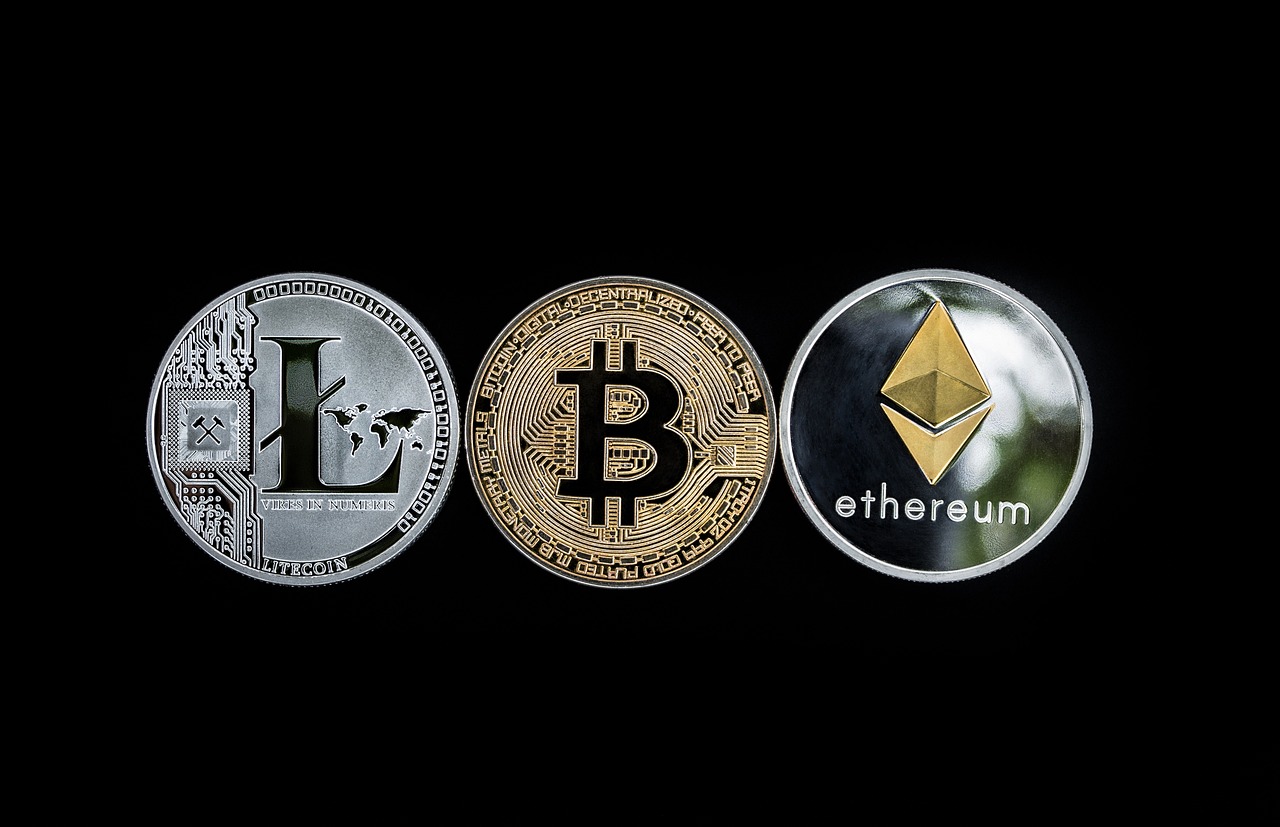
Cryptocurrencies, you've probably heard of them. These digital assets are increasingly making headlines and stirring up conversations about the future of finance. Yet, despite their growing presence in our everyday lives, they're not quite there yet as a universally recognized payments currency. As it stands now, you can't just walk into your local supermarket and buy groceries with Bitcoin or Ethereum. So, what's holding back these innovative financial tools from becoming legit currencies? There are several barriers at play here such as regulatory concerns, scalability issues and market volatility. However, experts predict that change is on the horizon with future advancements paving the way for more widespread usage of cryptocurrencies. As we venture into this new era of digital currencies, let's delve deeper to understand when crypto will become a legit payments currency and how we can normalize cryptocurrency transactions in our daily lives.
Understanding Cryptocurrencies and Their Use
Before you jump into the crypto world, you've gotta grasp what cryptocurrencies are and how they're used. It's not only fascinating but also crucial to your journey. You see, cryptos are digital or virtual currencies that use cryptography for security. They're decentralized and operate on a technology called blockchain, which is a distributed ledger enforced by a network of computers.
In this realm, terms like 'Crypto Mining Techniques' become important. It refers to the process where transactions for various forms of cryptocurrency are verified and added to the blockchain digital ledger. It involves complex mathematical problems that miners solve!
Understanding 'Blockchain Technology Basics' is equally vital. This tech isn't just about Bitcoin; it has far-reaching applications with potential to transform numerous industries. So, stay informed and forward-thinking!
Current State of Cryptocurrencies in the Market
You're seeing a significant shift in the market where digital currencies like Bitcoin and Ethereum are rapidly gaining acceptance as viable transaction methods. This change is largely due to increasing global interest and adoption of crypto, but there's more to it. Market volatility plays a significant role too; while it can pose risks, many see it as an opportunity for high returns.
Crypto regulations are another crucial aspect shaping the current state of cryptocurrencies. Governments worldwide are grappling with how to regulate this new form of currency, which could potentially disrupt traditional banking systems. Some countries have embraced cryptocurrencies, while others remain skeptical.
In such a dynamic landscape, you need to stay informed and forward-thinking to understand not just where we're at now, but what potential future trajectories might be.
One of the prime examples of this adoption is the Shark Casino licensed for crypto, which has started accepting digital currencies like Bitcoin and Ethereum, highlighting the increasing acceptance of crypto in various sectors.## Barriers to Widespread Adoption of Digital Currencies
Navigating the world of digital currencies, it's essential to recognize the hurdles that stand in the way of their widespread adoption. Regulatory Hurdles are one significant barrier. Governments worldwide grapple with how to manage this new form of currency and protect their citizens from potential risks.
Another impediment is Digital Literacy. For crypto to become a legit payment method, people must understand its mechanics, benefits and drawbacks. However, many find cryptocurrencies complex and intimidating due to their technical nature.
In summary, while cryptocurrencies hold enormous potential as a future means of exchange, overcoming these barriers will be critical for them to gain mainstream acceptance. Looking forward therefore we can see that much work remains before digital currencies shed their niche status and truly go global.
Future Predictions for Cryptocurrencies as a Common Medium of Exchange
As we peer into the future, it's easy to imagine a world where digital currencies are as commonplace as credit cards and online transfers, transforming the way we handle money forever. The evolution of blockchain technology is key in making this vision a reality, providing security and transparency that's second to none.
However, crypto regulation challenges continue to be a major obstacle on this path, with governments worldwide grappling with how to manage such a revolutionary shift. But don't let these hurdles fool you; they're not insurmountable. As regulators gain more understanding of cryptocurrencies and their potential benefits, it's likely they'll establish frameworks that can support safe use for everyday transactions.
So get ready - your coffee might just be paid for in crypto sooner than you think!
Action Steps Towards Normalizing Cryptocurrency Transactions
Brace yourself for a world where buying your morning latte with digital coins is the norm, and let's delve into how we can take actionable steps towards making this a reality. A crucial first step is establishing robust Crypto Regulation Frameworks. This will ensure security, transparency, and trust in transacting with cryptocurrencies.
For seamless integration of crypto transactions into our daily lives, Blockchain Transaction Efficiency needs to be addressed too. Improving transaction speed without compromising security should be prioritized. And as you begin to adapt to this evolving financial landscape, learning about cryptocurrency investment risks and its market volatility becomes vital.
So brace up! The shift towards normalizing cryptocurrency transactions isn't just an imagination anymore; it's happening one block at a time on the blockchain network.

Legal Disclaimer:
MENAFN provides the
information “as is” without warranty of any kind. We do not accept any
responsibility or liability for the accuracy, content, images, videos,
licenses, completeness, legality, or reliability of the information
contained in this article. If you have any complaints or copyright issues
related to this article, kindly contact the provider above.
Comments
No comment