

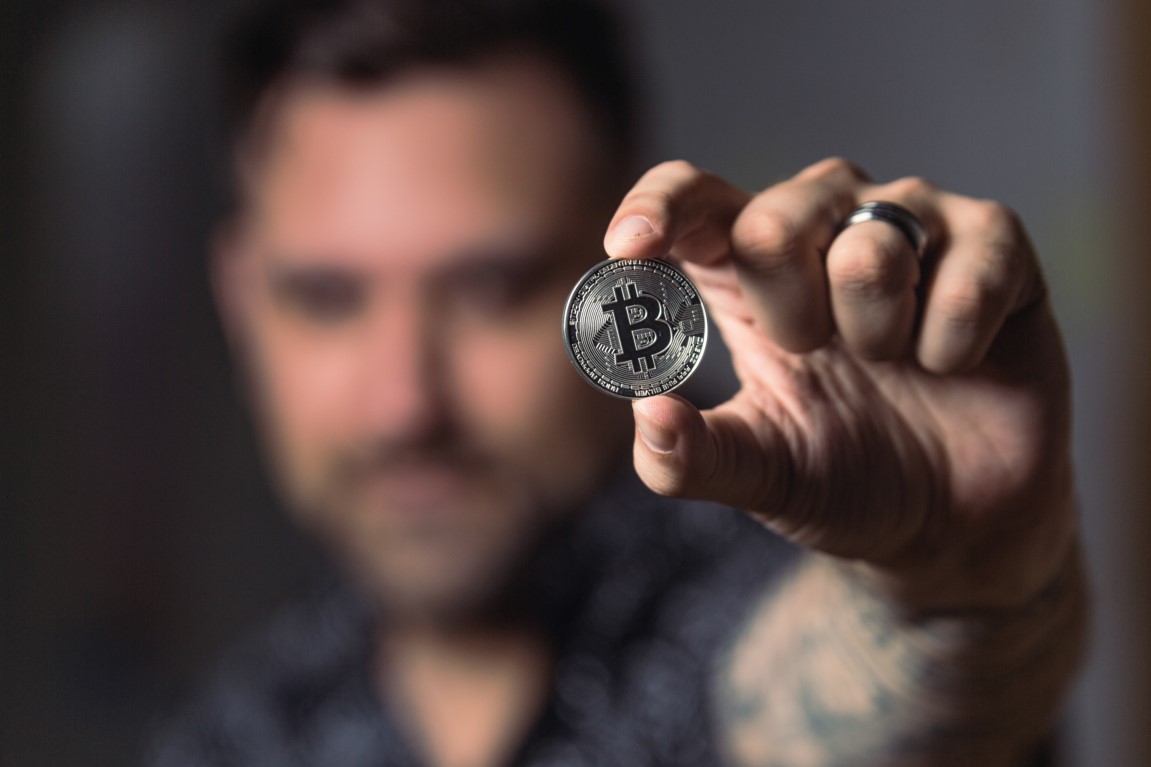
The Legality of Bitcoin in Different Countries


Just a few years after launching, Bitcoin has become one of the most preferred cryptocurrencies in the world. Despite initial resistance and delays in adoption, many people and businesses have started accepting and using Bitcoin. The trend is more expensive than one or a few world regions. One of the most prominent issues about Bitcoin is its legality.
Bitcoin is a universal digital currency. Unlike national currencies, no country owns or controls Bitcoin. And this has made it acceptable in most countries and regions. The main issue that is affecting the widespread use of Bitcoin is the need for proper regulations at the global or national levels. So, if you are interested in Bitcoin, start trading now by using Immediate Bitcoin
Many countries lack Bitcoin regulations. That's primarily because of the decentralized structure that removes government control and intervention. Bitcoin also provides anonymity, making it even more difficult to track users and transactions for regulatory purposes. Despite this, more countries have introduced specific laws and regulations on Bitcoin.
Countries that accept Bitcoin use are dealing with the impacts. On the positive side, these countries realize additional investment opportunities and economic gains. For example, with the proliferation of Bitcoin trading, many investors are now trading Bitcoin and making money. You can also join Bitcoin trading today through the Bitcoin Champion trading platform.
There is no universal legal status for Bitcoin. In some countries, Bitcoin is legal. In others, it is illegal. Learn more about it below.
Where Bitcoin is Legal
Bitcoin is legal in most countries. That means that people and businesses can use Bitcoin without legal repercussions. In these countries, people use Bitcoin mainly as a means of payment. Companies are taking advantage of Bitcoin's popularity to accept its payments.
The legality of Bitcoin has different meanings. In most countries, including the US, the UK, Australia, and Canada, people can use Bitcoin as a form of payment, although no laws recognize it as a legal tender. For example, in the US, the government has new regulations on Bitcoin for taxation. Many businesses in the US are accepting Bitcoin payments.
Where Bitcoin is Banned
Several countries have banned Bitcoin completely. That means that people or businesses cannot use Bitcoin in these countries. Some notable countries that have imposed bans on Bitcoin include China, Algeria, Saudi Arabia, and Qatar.
In countries where Bitcoin is banned, the banning is either absolute or implicit. A total ban means that Bitcoin cannot be allowed in any form. Having, buying, or selling Bitcoin is illegal in these countries. However, some countries only ban some aspects of Bitcoin, such as mining or particular uses.
Different factors are behind the banning of Bitcoin in some countries. The lack of regulation is a significant reason. Governments see this as a threat to ensuring a stable financial system. Additionally, some governments ban Bitcoin to prevent crimes that use Bitcoin. Others consider the adverse environmental impact of Bitcoin mining as a reason for refusing it.
The Future
The legality of Bitcoin is changing and will be different in the future. The number of countries treating Bitcoin as legal is likely to increase. That's due to the growing realization of Bitcoin's importance in the larger global economy. Many countries are in the process of introducing crypto regulations that will target Bitcoin.
New crypto regulations are likely to come up in the future. Their implications remain unclear. This trend shows that Bitcoin will become legal and acceptable in more countries. Countries that ban Bitcoin will probably change their positions and start legalizing it.

Legal Disclaimer:
MENAFN provides the
information “as is” without warranty of any kind. We do not accept any
responsibility or liability for the accuracy, content, images, videos,
licenses, completeness, legality, or reliability of the information
contained in this article. If you have any complaints or copyright issues
related to this article, kindly contact the provider above.
Comments
No comment