

Qatar- Challenges turn opportunities for petrochemical, steel and aluminium industries


(MENAFN- Gulf Times) • The petrochemical, steel and aluminium industries are witnessing strong competition in the global market, that may threaten existing entities, but it may also create opportunities for growth and prosperity through mergers and acquisitions
• The petrochemical industry will be forging mergers in near future
• The growth of global economy, increase in population density, and technological development are contributing to an increase in demand for iron, petrochemical and industrial products
One of the main objectives of the general economic policy in the petrochemical industry, as well as the manufacturing and aluminium sector in Qatar, is to promote and manage a key component of economic diversification, which is the value-added chain (the refining, petrochemical, mining, chemical fertilisers and transformational sectors), in which many Qatar industries and industrial companies are established.
A major shareholding company listed on the stock market, for example, is Mesaieed Petrochemical, Aluminum, and Manufacturing Industries.
In order to achieve goals, mergers between companies in the manufacturing sector, petrochemicals, petroleum additives and steel, in addition to chemical fertilisers, is proposed.
At a time, which is characterised by agglomeration, mergers and acquisitions among various industrial companies in the field of petrochemicals and manufacturing industries, are worth considering, because of low oil and fuel prices, and consequently lower global consumption rates on petrochemical products such as ethylene, polyethylene, formaldehyde, caustic soda, chemical acids, methanol, ammonia, urea, petroleum additives and others.
Among companies that produce other chemical products, which come under the umbrella of Industries Qatar, Mesaieed Petrochemicals and Qatar Aluminum Industry Company, mergers or acquisitions are worth studying, especially because they work in the same field of the production line. It solves many problems and obstacles that companies face, whether in terms of competition, financial difficulties, and earnings per share, expansion in various markets or others.
And it is ideal, especially for companies and establishments with similar and complementary activity — where a merger solves multiple problems.
The recent spurt in mergers among the petrochemical, refining and aluminium sector companies (as a direct result of the sharp economic changes that have negatively affected demand and prices of petrochemical and other chemical products), is in addition to the high costs of production and their direct impact on the competitiveness of companies in the markets.
The importance of mergers in the petrochemical sector is due to their direct impact on maximising the competitive position of the sector in the region, confronting Chinese companies that depend on coal, and the US companies that dependent on shale oil, in addition to the importance of investing in research and innovations that can increase the ability of petrochemical companies to compete.
The global financial crisis in 2008 revealed the sudden risks that industrial and financial establishments were exposed to around the world, which forced some of them to exit permanently and impose on others the option of merger and acquisition to overcome the crisis. Locally, the global decline in the prices of petrochemicals and chemical fertilisers caused damage to the profitability of companies, and companies with limited products were the most affected by the crisis, while big companies with greater solvency and diversified products succeeded in overcoming the crisis easily.
Today, the petrochemical, mining, fertiliser, and petroleum additives sector faces the risk of changing the local feedstock price, which, if it occurs, will have the greatest impact on companies with limited production and non-producing companies that are more profitable in global markets due to the decrease in global demand for petrochemical products, increased production in importing countries, and the imminent transformation.
Some industrialised countries from importing countries to those exporting petrochemicals, petroleum additives and chemical fertilisers, such as the United States of America and India, are among those are facing difficulties in the petrochemical industry and threatening these companies in the future.
Whereas, the benefits of mergers extend to all companies, considering that the outcome of the merger in production and marketing, if well studied, enables companies to become stronger that can compete and penetrate different markets — and that merger and agglomeration have many great benefits for the national economy, including the localisation of advanced technology and superiority in efficiency, productivity and specifications.
For example, it is possible to study the merger of petrochemical companies in Qatar's petrochemical sector — (Qapco, Q-Chem 1 & 2, and Qatar Vinyl Company) as well as the mining sector Qasco and Qamco), so that they are under a unified entity (Industries Qatar) and a unified executive management.
The merging of these companies into one entity is considered an essential element in the strategy of industries in Qatar in the petrochemical, chemical fertiliser and steel sector, and the enhancement of this unified industrial entity from the rank of a global challenger to the rank of a global leader comparable to international industrial companies in this sector.
The challenge of traditional business methods and the creation of a separate unified industrial entity in the administrative leadership, production and marketing of the petrochemical, fertiliser and mining sector industry in Qatar in order to avoid duplication with the traditional hydrocarbon products sector such as crude oil, condensates, gas, and refined oil products that differ completely in marketing, pricing structure, selling and shipping, logistics, cargoes, specifications, freight, customers, and contractual obligations.
This is because national oil and gas companies mostly focus on marketing and selling strategic products to achieve the maximum benefit from sales.
Whereas companies that are active in the field of petrochemicals, chemicals, industrial polymers, fertilisers and minerals come under the umbrella of a unified industrial company. All of the above makes mergers between companies an urgent necessity, not a choice among the available options.
Whoever starts first, will be the most hedged against future changes, and the keenest to protect the entity, and shareholder investments.
And if shareholders and their representatives on corporate boards of directors are concerned with making strategic decisions to face future risks and maximise profitability, the government is equally concerned with preserving its economic gains through support, guidance and perhaps motivation to take a merger decision for companies that are most likely to face financial and operational problems in future.
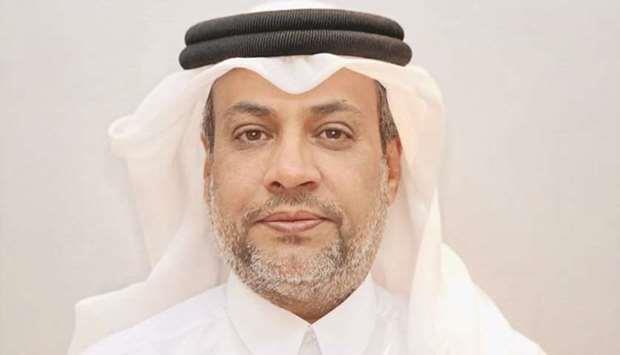
* Saad Abdulla al-Kuwari graduated in Chemical Engineering from Qatar
University and obtained an MBA in Oil & Gas from Liverpool University. He was
appointed CEO of Tasweeq in 2010.
During his career, he has occupied several key positions in refining projects and processing, oil, gas and refined products, storage tanks and export terminals operation. He also has considerable experience in the field of Gas Processing Operations. He was also manager of Gas, Oil Petrochemical Marketing in QP Marketing Directorate for several years.

Legal Disclaimer:
MENAFN provides the
information “as is” without warranty of any kind. We do not accept any
responsibility or liability for the accuracy, content, images, videos,
licenses, completeness, legality, or reliability of the information
contained in this article. If you have any complaints or copyright issues
related to this article, kindly contact the provider above.
Comments
No comment