




403
Sorry!!
Error! We're sorry, but the page you were looking for doesn't exist.

Somaliland Notes: The Town, People of Zeila in Historical Pictures
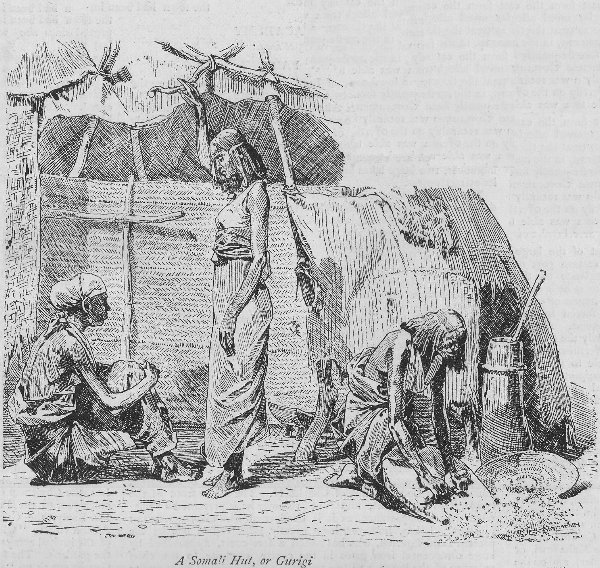
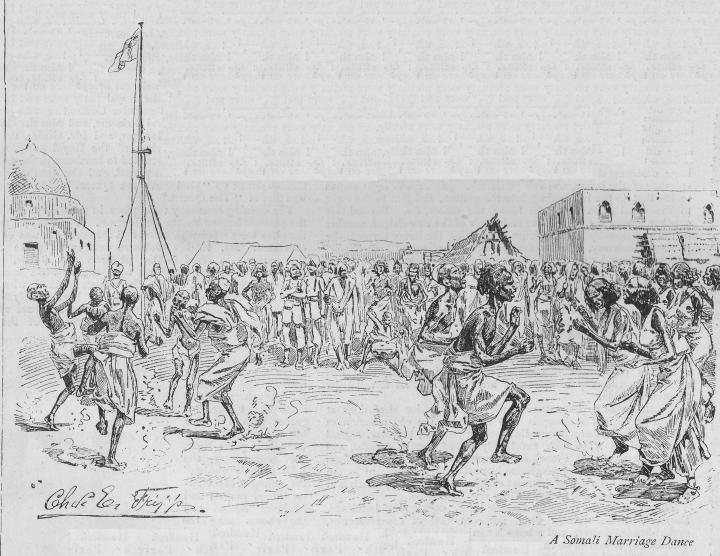
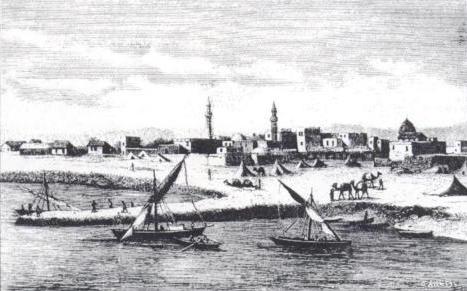
(MENAFN- SomTribune) 'The Town and People of Zeila, Somali Coast, Africa'… Photos and text from The Graphic, May 7, 1887, page 473

A somali marriage ceremony:

 A traditional marriage dance:
Ethiopians in Zeila, were these men conquerors or slaves? Quote: Another observer, the Italian traveler Ludovico di Varthema—the first non-Muslim European to enter Mecca—noted at the turn of the 16th century how Ethiopian soldiers were taken by the "Moors" (i.e., Muslims) to Zeila on the Gulf of Aden and from there "carried into Persia, Arabia Felix [southern Arabia] and to Mecca, Cairo and into India." Some of these Ethiopians were paid mercenaries, but most were slave-soldiers being transported as a military force by Arabs to various parts of the Indian Ocean. It was on the 13th century that came to the light, in Horn of Africa, one of the strongest Empire that existed in East Africa. Adal Empire had its origine in the city of Zeyla, situated until today in the northern region of the former Democratic Republic of Somalia. The father of that State was King Omar D. Ahmed (nicknamed Aw-Barkhadle). The king who had a long life, occupied the throne for many years. When he passed away, he left behind him many children, mainly males. Among them, the successors to the throne who inherited the kingdom. Later, Adal Empire became an Islamic Empire that expanded the religion of Islam with determination, into the entire Horn of Africa. 
Adal Empire was composed of seven (7) States. According to the size of their land and the military forces of each state, here is their names: Ifaad, Dawaaro, Araabiini, Hadaya, Sharqa, Baali and Daara, where each of them had its own government. The largest and strongest State Ifaad, known from Egypt and "Shaam" as Zeyla's land, became later the dominant and the central one with its capital city of Zeyla. Ifaad will lead the entire Empire and will face many challenges. According to the historians of that period, Ifaad was large as 20 days of walk from North to South and 15 days of walk from East to West. Its military force was composed of 15000 cavaliers and 20000 of infantries 
Ahmad ibn Ibrihim al-Ghazi (c.1507 - February 21, 1543) was a Somali Imam and General who defeated several Ethiopian emperors and wreaked much damage on that nation. He is also known as Ahmad Gragn (or Gurey), "Ahmed the left-handed". 
He was born near Zeila, a port city located in northwestern Somalia, and married Bati del Wambara, 
In retaliation for an attack on Adal in 1527-8 by the Ethiopian general Degalhan, Imam Ahmad invaded Ethiopia in 1529. Although his troops were fearful of their opponents, and attempted to desert upon news that the Ethiopian army was approaching, Imam Ahmad relied on his elite company armed with matchlocks, and defeated emperor Lebne Dengel at Shimbra Kure that March.1 Imam Ahmad campaigned again in Ethiopia in 1531, breaking Emperor Lebna Dengel's ability to resist in the Battle of Amba Sel on October 28, then marched north to loot the island monastery of Lake Hayq and the stone churches of Lalibela. When the Imam entered the province of Tigray, he defeated an Ethiopian army that confronted him there, and on reaching Axum destroyed the Church of Our Lady Mary of Zion, in which the Ethiopian emperors had been coronated for centuries. Quote: However things changed when the Portuguese paid a visit to the court of Emperor Lebne Dengel, in 1492 - However, the Emperor did not see much advantage in befriending the Portuguese or how he could form an alliance that would have benefited Ethiopia. The motive of the Portuguese was to 1) spread Catholicism and 2) form an alliance with this mysterious and powerful Christian empire, which they hoped would eventually enable them to fight the Turks. The visit of the Portuguese did not go unnoticed by the Turks, who were promptly informed by their spies in Denkaz. 
The Turks provided the Adal and Gragn 900 Bombardiers, or what would be considered in today's military terminology, artillery men. The war was, needless to say, a disaster to Ethiopia. Ethiopians were armed with only swords and spears while their enemies had guns and experienced Turkish troops under their command. 
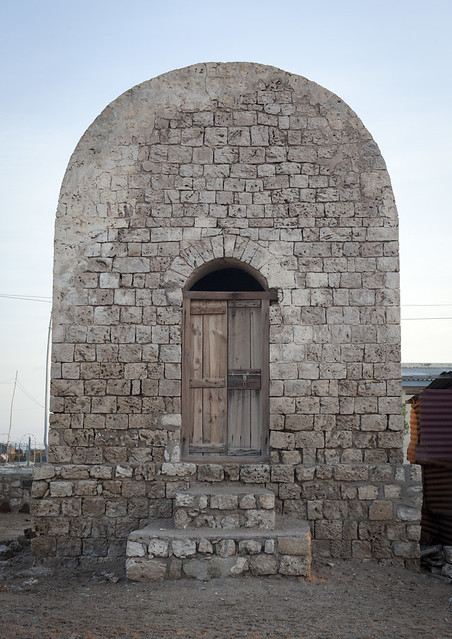
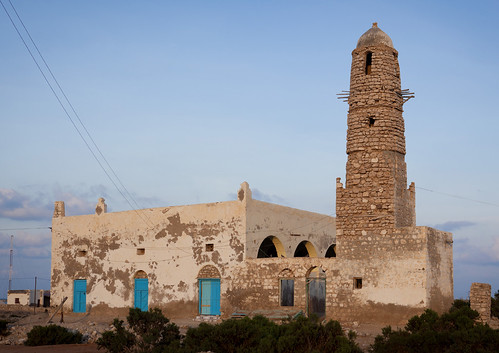
Located on the Coast on the Northwestern part of Somaliland near to former French colony Djibouti, the port of Zeila is known for its beautiful natural setting: a large coral reef, mangroves as well as the cliffs and beaches surrounding the little port give Zeila a peculiar aspect.
With a population varying between 3,000 up to 7,000 in the cool season, it is a picturesque and cosmopolitan trading city since the 9th century, although Zeila port has been dethroned during the colonial time by French Somaliland port Djibouti and Southern Berbera port.
Inhabitant clans include the Habar Awal, and the Cisse who also inhabit Djbouti , In the past Zeila was the capital city of the Ifat sultanate, an influential power over the region from the 9th century on. It became a trade and learning hub in the 14th century, under the influence of Arab merchants settlement along the coast. The latter, supported by the coming of Muslim scholars from the Arabic peninsula, peacefully converted their trade partners to Islam. This is one of the ways Islam spread throughout Africa.
Later, Zeila was among the cities that flourished under the influence of Adal kingdom's golden age with the construction of courtyards, mosques, shrines, and walled enclosures. The heyday was topped with the conquest of Christian Abyssinia in the 16th century. But it did not last and the Ethiopians eventually recouped the lost territories, leading to the displacement of Adal's capital to Harar and the fall of Zeida.
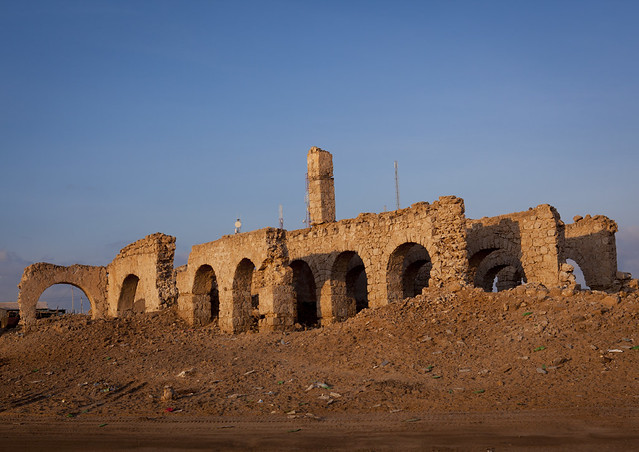
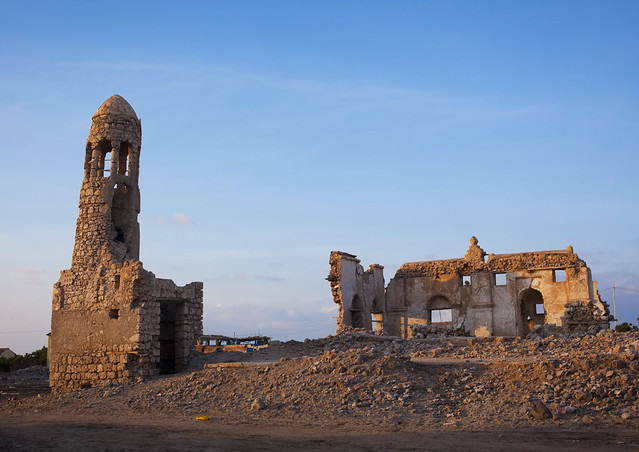
Hardly anything remains of the old city since it was the bombed during the Somali civil war. Zeila hosts few tourists every year, who notably come for Scuba diving activities.
Formerly a British colony, Somaliland briefly reached its independence in 1960. It is one of the two main territories, with former Italian Somalia that compose the current State of Somalia.
Somaliland proclaimed its independence in 1991, adopting its own currency, a fully independent government, working institutions and police. The authorities organized a referendum in 2001, advocating once again for full independence. However, despite having control over 94% of its proclaimed borders ,it is not internationally recognized. 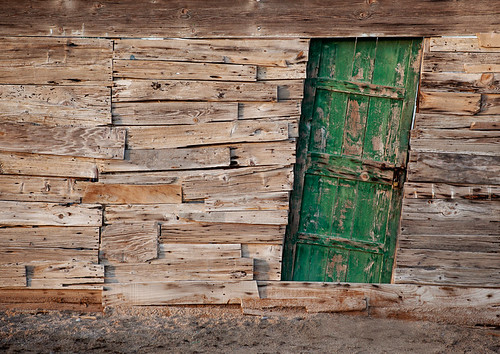
Two men in Zeila playing the boardgame shax:
A somali marriage ceremony:
Somali warrior:
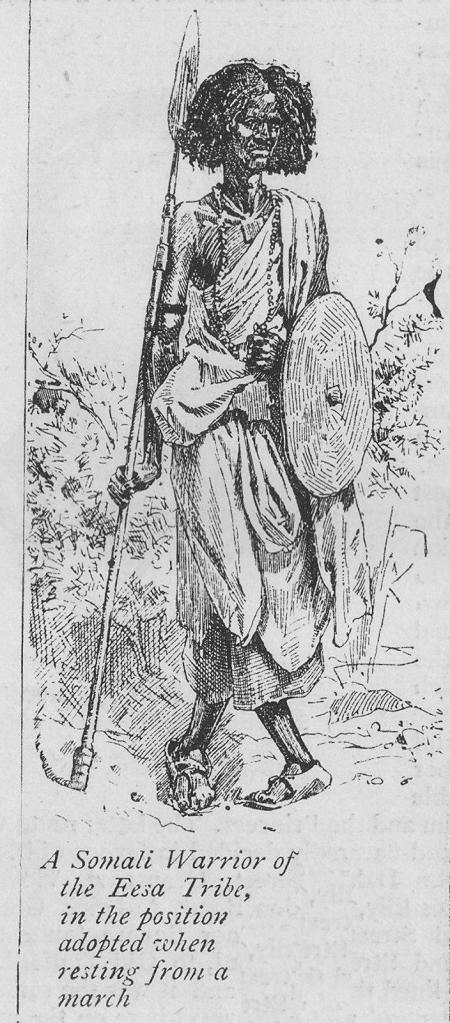
A traditional marriage dance: Ethiopians in Zeila, were these men conquerors or slaves? Quote:
Zeila, the city of light, historic capital of the adalite kingdom and one of the oldest cities on the east African coast(9th century BC):

Quote:
Quote:
In a book titled "Masaalikal-Absaar"(this is in Somali spelling), the Egyptian author, Subhul Ahsha mentioned that Zeyla was the nucleus city of Adal Empire. Continuing into the description of this city, he added that Zeyla was "The City of Light", which had many Mosques and many schools, where all kind of subjects were taught. In fact, Mr. Ahsha described Zeylac as "The Place" where one can acquire any kind of knowledge that may be taught in that period of time. The author added in his description that the people were 100% Muslim. Mr. Ahsha said that they were gathering in large number into the Mosques of the city, as faithful believers to Islam. According to this writing, these Mosques could be compared to the municipal libraries that can be found today in big cities of our century. In addition of that, schools were places where people use to enjoy meeting, share knowledge, discuss about social issues and debate intellectually. As a matter of fact, Zeyla was known as the place where the knowledge was at the merci of everyone.
Remarked by its faithful actions, other Islamic States in the world called Adal Empire "Diraasal-Islaam".
Quote:
Quote:
the daughter of governor Mahfuz of Zeila. When Mahfuz was killed returning from a campaign against the Ethiopian emperor Lebna Dengel in 1517, the Adal sultanate lapsed into anarchy for several years, until Imam Ahmad killed the last of the contenders for power and took control of Harar.
Quote:
Quote:
Quote:
the Turks, who were in contact with Adal, found Gragn to be a formidable military person with a fanatic zeal for Islam. They made a deal with Gragn: he was to subjugate the Christian empire and convert it to Islam while they would thwart any possible alliance between Ethiopia and Europe, which would have dangerously out-flanked the Turks in the indian ocean.
Quote:
Quote:
With a population varying between 3,000 up to 7,000 in the cool season, it is a picturesque and cosmopolitan trading city since the 9th century, although Zeila port has been dethroned during the colonial time by French Somaliland port Djibouti and Southern Berbera port.
Inhabitant clans include the Habar Awal, and the Cisse who also inhabit Djbouti , In the past Zeila was the capital city of the Ifat sultanate, an influential power over the region from the 9th century on. It became a trade and learning hub in the 14th century, under the influence of Arab merchants settlement along the coast. The latter, supported by the coming of Muslim scholars from the Arabic peninsula, peacefully converted their trade partners to Islam. This is one of the ways Islam spread throughout Africa.
Later, Zeila was among the cities that flourished under the influence of Adal kingdom's golden age with the construction of courtyards, mosques, shrines, and walled enclosures. The heyday was topped with the conquest of Christian Abyssinia in the 16th century. But it did not last and the Ethiopians eventually recouped the lost territories, leading to the displacement of Adal's capital to Harar and the fall of Zeida.
Hardly anything remains of the old city since it was the bombed during the Somali civil war. Zeila hosts few tourists every year, who notably come for Scuba diving activities.
Formerly a British colony, Somaliland briefly reached its independence in 1960. It is one of the two main territories, with former Italian Somalia that compose the current State of Somalia.
Somaliland proclaimed its independence in 1991, adopting its own currency, a fully independent government, working institutions and police. The authorities organized a referendum in 2001, advocating once again for full independence. However, despite having control over 94% of its proclaimed borders ,it is not internationally recognized.

Legal Disclaimer:
MENAFN provides the
information “as is” without warranty of any kind. We do not accept
any responsibility or liability for the accuracy, content, images,
videos, licenses, completeness, legality, or reliability of the information
contained in this article. If you have any complaints or copyright
issues related to this article, kindly contact the provider above.
Most popular stories
Market Research

More Story






Comments
No comment