


Türkiye Surgeons Reattach 90 Percent of Woman’s Scalp in 7-Hour Operation


(MENAFN) Surgeons in southeastern Türkiye have successfully restored approximately 90% of an 18-year-old woman's scalp following a severe accident in which her hair became entangled in a go-kart engine, with the complex microsurgery lasting seven hours.
The incident occurred around four months ago at an entertainment facility in Mardin province, when Busra Bayir was riding a go-kart and her hair tie came undone. Her hair was suddenly pulled into the vehicle's engine, tearing away nearly one-third of her scalp within seconds.
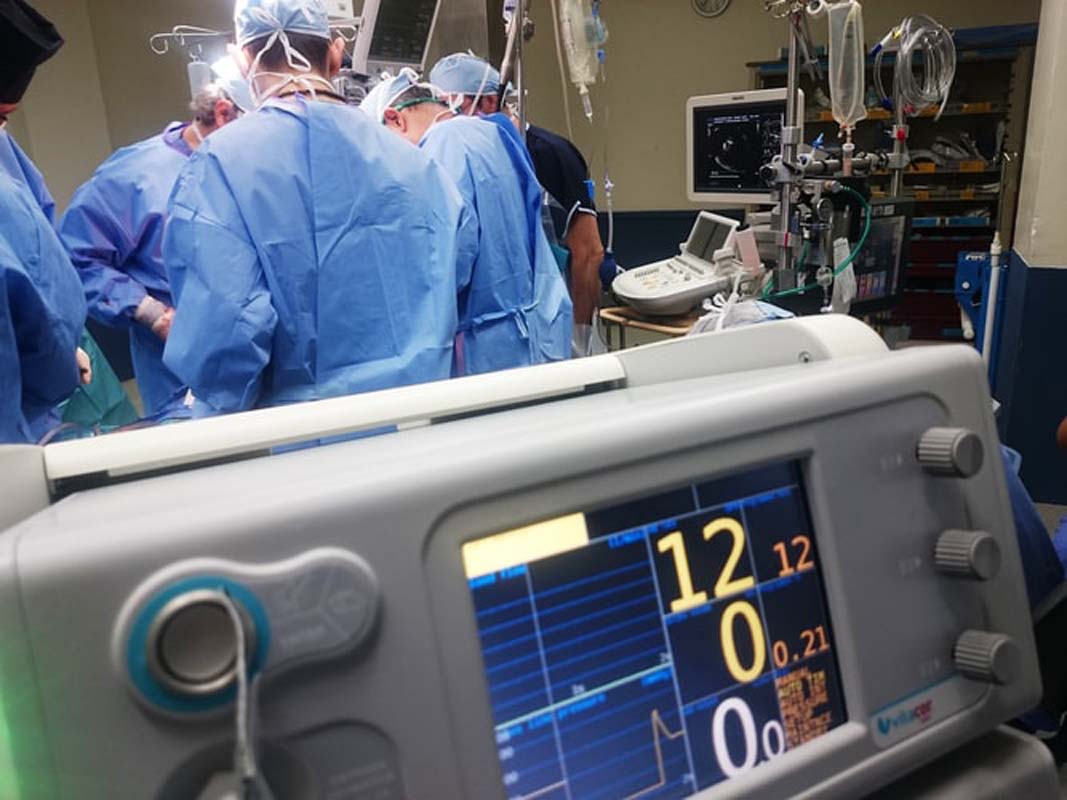
Following initial emergency care in Mardin, Bayir was transferred to Dicle University Medical Faculty Hospital in Diyarbakir. A surgical team there carried out a seven-hour microsurgical procedure to reattach the damaged tissue.
"It was a rare case," surgeon Serkan Erbatur told Anadolu. "These are difficult operations with a risk of death.”
Bayir remained in intensive care for 12 days before spending another 11 days in hospital. She was subsequently discharged, with doctors reporting that approximately 90% of the transplanted hair-bearing tissue had survived.
Medical staff say she currently does not need further surgery.
Similar accidents reported worldwide
Although the circumstances surrounding Bayir's injury are uncommon, medical records show that similar incidents have occurred in other countries over several decades, including cases involving long hair becoming trapped in exposed go-kart engines.
Safety regulations in the karting industry specifically address the risk of entanglement. European standards for leisure go-karts require rotating machinery to be protected against hair, scarves and loose clothing becoming caught in moving components. Operators are also expected to inform riders about these hazards.
Meanwhile, Karting Australia requires drivers whose hair extends below their shoulders to take protective measures to prevent it from becoming entangled.
Erbatur stressed that wearing helmets, securing long hair properly and choosing suitable clothing are essential precautions that can substantially reduce the risk of such injuries.
"Unfortunately, hair or scarves getting caught in go-karts does happen, and these accidents can sometimes be fatal," he said.
Survivor hopes to prevent future accidents
Beyond the physical consequences, Bayir has faced a difficult psychological and social recovery following the incident.
"The accident changed my life in an instant," she said. "It has been a very difficult process, not only physically but psychologically and socially.”
She hopes that sharing her experience will raise awareness among go-kart operators and participants and encourage stronger safety precautions.
"I want people to know what I went through so precautions are taken and similar accidents don't happen again."

Legal Disclaimer:
MENAFN provides the
information “as is” without warranty of any kind. We do not accept any
responsibility or liability for the accuracy, content, images, videos,
licenses, completeness, legality, or reliability of the information
contained in this article. If you have any complaints or copyright issues
related to this article, kindly contact the provider above.


Comments
No comment