


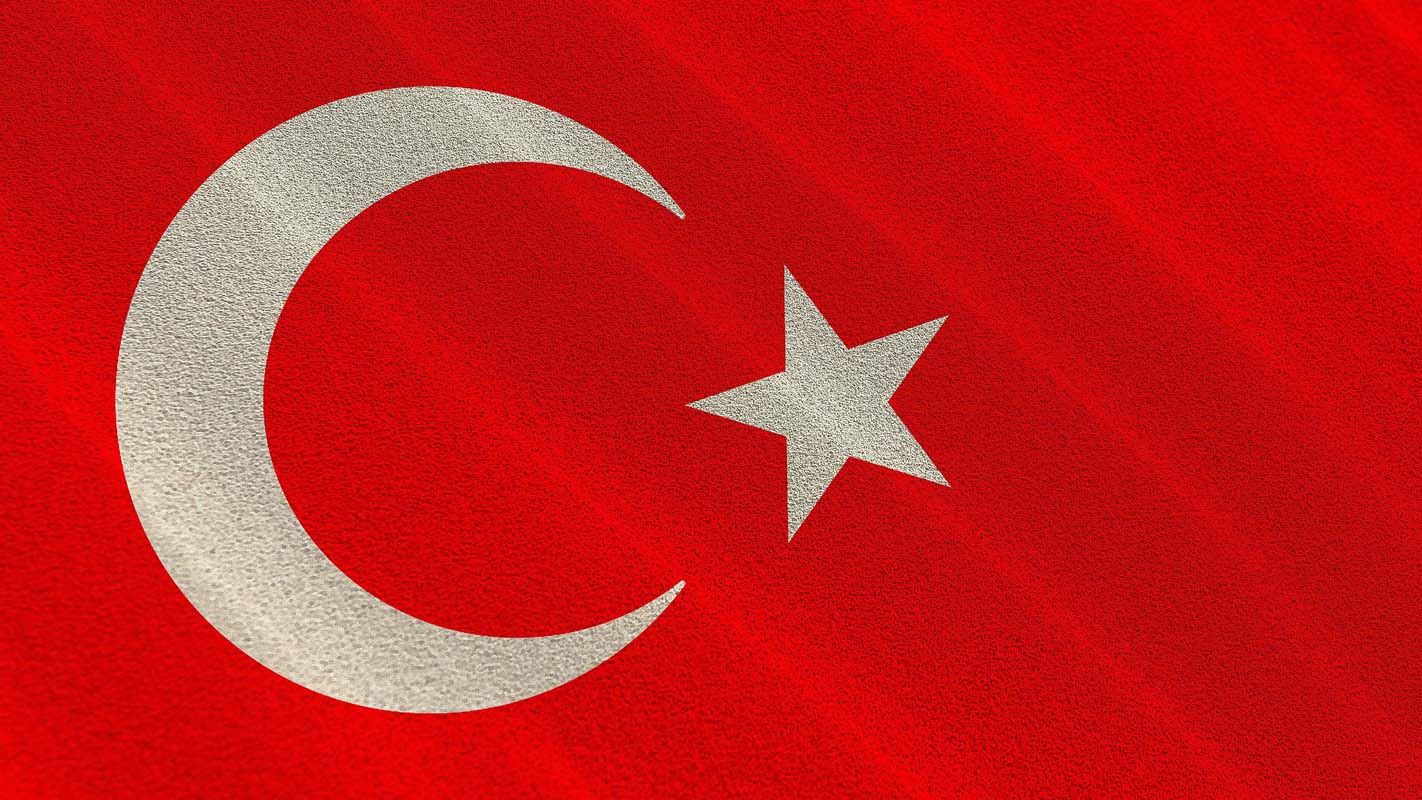
Türkiye, Qatar Back Defense Pact, Urge US-Iran Talks


(MENAFN) Türkiye and Qatar pledged on Friday to deepen military ties, widen trade and press for a diplomatic end to the US-Iran conflict, according to a joint communique issued after high-level talks in Istanbul.
The pledge came out of the 12th session of the Türkiye-Qatar Supreme Strategic Committee, chaired by Turkish President Recep Tayyip Erdogan and Qatar’s Emir Sheikh Tamim bin Hamad Al Thani. Ministers responsible for bilateral cooperation attended the meeting, which falls under the framework agreement that created the committee on Dec. 19, 2014.
Defense and security
The two governments welcomed their newly signed mutual defense agreement, which is meant to bolster collective defense, advance regional security and set out a joint stance against armed attacks on either country or both.
“The two sides reaffirmed that the Agreement reflects not only the commitment of its signatories to safeguarding their sovereignty and territorial integrity, but also their shared vision of contributing to a more secure and stable regional order,” the communique said.
They committed to consultations on security threats, defense policy and wider regional and global security matters. They also plan to expand joint military exercises, defense industry partnerships and personnel training exchanges.
The two sides also welcomed the Badr memorandum, signed by Türkiye, Qatar, Pakistan and Indonesia. They called it a key step toward stronger collective defense through “the development of indigenous capabilities,” including joint production, technology development, information sharing and more robust defense industry supply chains.
On bilateral security, the communique cited existing agreements and pointed to possible short- and long-term programs, among them technical assistance and training.
The two countries also vowed to maintain close counterterrorism cooperation, specifically in “countering terrorism in all its forms and manifestations, and addressing all terrorist organizations”. The statement named the PKK, its Syrian branch the YPG, ISIS (Daesh), the Fetullah Terrorist Organization (FETO) and their affiliates.
Trade and investment
Both capitals restated their goal of lifting bilateral trade to $5 billion and agreed to look for new ways to diversify their economic relationship.
They noted Qatari investment in Türkiye and said Turkish contractors have carried out 206 projects in Qatar worth $20.8 billion.
They stressed the role of the Trade and Economic Partnership Agreement, signed in 2018 and in force since Aug. 1, 2025, in easing trade, drawing investment and deepening economic integration.
The two sides agreed to hold the seventh Türkiye-Qatar Joint Commission on Economic and Technical Cooperation in Doha at the earliest convenient time. They also said they are ready to convene the second Joint Economic and Trade Committee meeting in the Qatari capital.
They also signaled readiness for closer collaboration in banking, finance, logistics and energy, especially liquefied natural gas trade, while reinforcing regional supply chains and traditional trade routes.
Gaza and the occupied Palestinian territories
On Gaza, the two countries agreed to coordinate humanitarian aid and back early recovery and reconstruction efforts.
“They also called for full, safe and unhindered humanitarian access in Gaza, and agreed to cooperate closely to scale up shelter and humanitarian assistance in Gaza,” the communique said.
They urged immediate action after winter flash floods worsened conditions for Palestinians, and demanded the immediate, unconditional release of detained humanitarian workers and UN personnel.
The two governments voiced concern over Israeli actions that they said undermine the Gaza ceasefire agreement. They urged Israel to meet its obligations under international law.
They sharply condemned Israeli settlement activity, violence by occupiers, land confiscation and forced displacement in the occupied West Bank, including East Jerusalem. They rejected any measures to change the legal, geographical or demographic status of the occupied Palestinian territories.
They also condemned incursions into Al-Aqsa Mosque by extremist Israeli occupiers and officials under the protection of Israeli forces. They rejected attempts to alter the historical and legal status quo at Islamic and Christian holy sites in occupied Jerusalem.
The two countries reaffirmed that the entire 144-dunam (144,000-square-meter) Al-Aqsa Mosque compound is exclusively a place of worship for Muslims. They recognized the “special role of the historical Hashemite custodianship” and the authority of the Jerusalem Endowments and Al-Aqsa Mosque Affairs Department over its administration.
They further condemned Israeli measures at the Ibrahimi Mosque in Hebron, including access restrictions. They called the collective punishment, arbitrary detentions and blockade in the city, where more than 5,000 Palestinians have been displaced from their homes, unacceptable.
Türkiye and Qatar also restated their support for an independent Palestinian state based on the June 4, 1967 borders, with East Jerusalem as its capital. They called for sustained international backing for UNRWA, the UN agency for Palestinian refugees.

Legal Disclaimer:
MENAFN provides the
information “as is” without warranty of any kind. We do not accept any
responsibility or liability for the accuracy, content, images, videos,
licenses, completeness, legality, or reliability of the information
contained in this article. If you have any complaints or copyright issues
related to this article, kindly contact the provider above.


Comments
No comment