




403
Sorry!!
Error! We're sorry, but the page you were looking for doesn't exist.

Coronavirus - Tanzania: Empowering communities with correct information about COVID-19
(MENAFN- African Press Organization) BRAZZAVILLE, Congo (Republic of the), April 24, 2020/APO Group/ --
In public health emergencies such as the on-going COVID-19 pandemic, one essential lifesaving action is risk communication. This is because people have a right to know how to protect their health and have a responsibility to take informed decisions to protect themselves, their loved ones and those around them. To do this effectively, risk communicators need a good understanding of stakeholder perceptions, concerns and beliefs, as well as their knowledge and practices. Risk communicators must also identify early on and subsequently manage rumours, misinformation and other communications challenges.
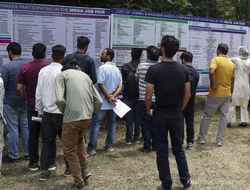
Since the onset of the COVID-19 outbreak in Tanzania in March 2020, WHO and partners have been working closely with the national authorities to educate and actively communicate with the public about the Coronavirus disease using multiple communications techniques ranging from media and social media communications to mass communications and stakeholder and community engagement.
Effective risk communication not only saves lives and reduces illness, it enables communities to preserve their social, economic and political stability in the face of emergencies

Legal Disclaimer:
MENAFN provides the
information “as is” without warranty of any kind. We do not accept
any responsibility or liability for the accuracy, content, images,
videos, licenses, completeness, legality, or reliability of the information
contained in this article. If you have any complaints or copyright
issues related to this article, kindly contact the provider above.
Most popular stories
Market Research

More Story






Comments
No comment