



403
Sorry!!
Error! We're sorry, but the page you were looking for doesn't exist.
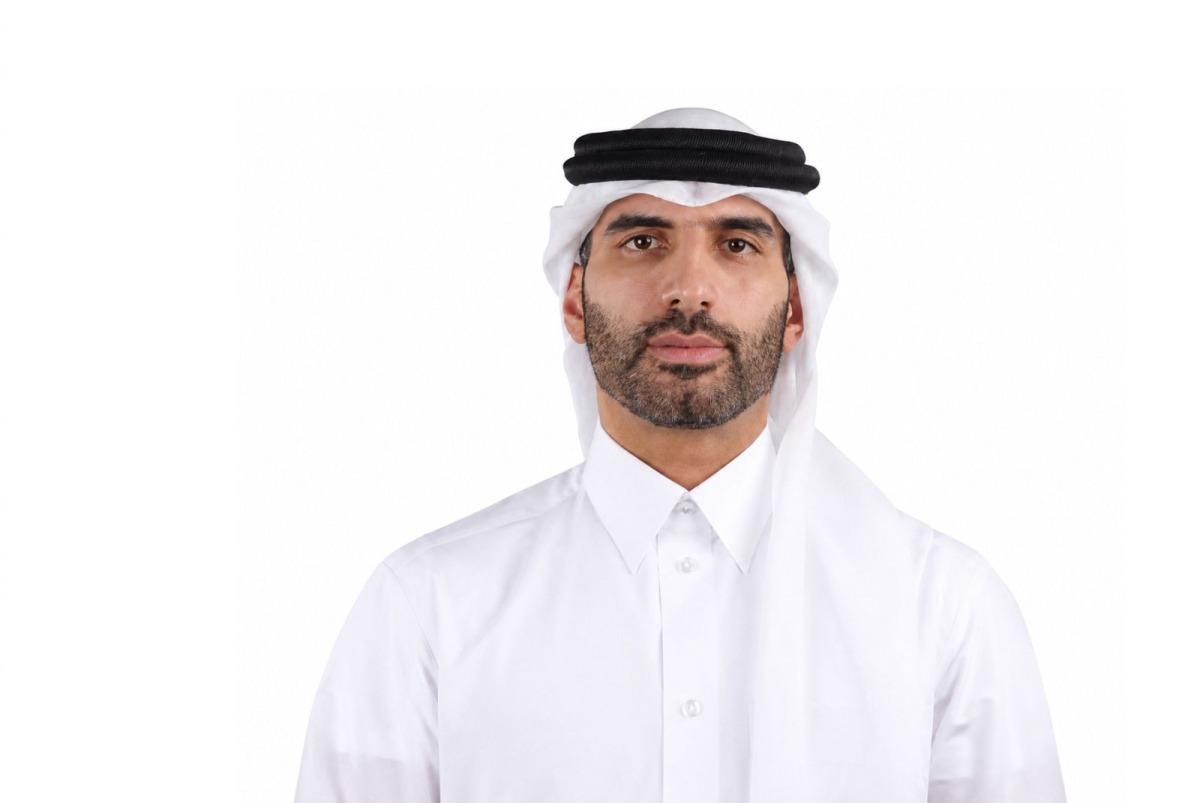
Adherence To Health Guidelines Is Necessary For A Safe And Disease-Free Hajj: Dr. Fahad Mohammed Shaikhan
(MENAFN- The Peninsula)
The Peninsula
Doha, Qatar: Dr. Fahad Mohammed Shaikhan, Senior Community Medicine Consultant in the Preventive Health Department at the Primary Health Care Corporation (PHCC), emphasized the importance of pilgrims adhering to health instructions and preventive measures during the Hajj. He pointed out that crowding, high temperatures, and physical exertion can lead to multiple health issues that can be prevented through awareness and adherence to medical instructions.
The Necessity of Visiting a Doctor Before Traveling
Dr. Fahad explained that maintaining health while performing the rituals begins before travel by consulting a doctor. This is particularly crucial for the elderly and those with chronic diseases to assess their health status and receive the necessary recommended vaccinations, as vaccinations are among the most significant preventive measures to protect pilgrims from infectious diseases while performing the rituals.
The most important recommended vaccinations for Hajj include meningitis, influenza, and pneumococcal vaccines. These vaccines become even more critical for the elderly, children, pregnant women, and individuals with chronic conditions due to their higher risk of complications. Therefore, it is advised to take these vaccinations well ahead of travel to ensure protection and reduce the spread of infection among pilgrims.
Preventing Dehydration
Dr. Fahad pointed out that some of the most prominent health risks pilgrims may face during Hajj are heat exhaustion and heatstroke, resulting from direct exposure to sunlight and soaring temperatures.
He urged pilgrims to avoid going out during peak heat hours as much as possible, and to use umbrellas or head coverings, as well as wearing lightweight, light-colored cotton clothing that helps with ventilation and mitigates the impact of the heat.
Dr. Fahd Shaikhan stressed the importance of continuously drinking enough water and fluids, even without feeling thirsty, to avoid dehydration. He noted that symptoms of heat exhaustion include headache, dizziness, heavy sweating, muscle cramps, and fatigue. If these symptoms appear, pilgrims must immediately head to the nearest health center or seek medical assistance.
Adhering to Health Guidelines to Prevent Illness
Dr. Fahad stated that preventing infectious diseases is one of the most critical health aspects during Hajj due to the massive gatherings. He explained that frequently washing hands with water and soap, using sanitizers, wearing masks in crowded places, and avoiding the sharing of personal items are all effective measures to limit the transmission of respiratory infections and other communicable diseases.
He advised pilgrims to ensure they consume healthy food from trusted sources, verify the safety of food and water, and avoid uncovered or undercooked foods, which can cause disturbances and health issues such as food poisoning or gastrointestinal illnesses.
Dr. Fahd emphasized the importance of managing physical exertion and getting adequate rest while performing the rituals. Pilgrims, especially the elderly and the sick, should avoid walking long distances continuously without taking breaks. He explained that extreme fatigue can negatively impact a pilgrim's capacity and expose them to complications that could otherwise be avoided.
Furthermore, he highlighted the necessity of using licensed barbers only and ensuring that sterilized, single-use tools are utilized to prevent the transmission of diseases.
He also pointed out the importance of caring for children and the elderly during the journey by ensuring they remain with their families, carry identification cards containing contact information, and teaching children proper healthy behavior while in crowded areas.
Adherence to Medications
Dr. Fahad explained that individuals with chronic diseases such as diabetes, hypertension, heart disease, and respiratory illnesses need to prepare their personal medications in sufficient quantities and strictly adhere to their medication schedules throughout the Hajj period.
Additionally, they should monitor their health status regularly during Hajj, maintain proper nutrition and adequate sleep, and carry a medical report detailing their health condition and the medications they use to facilitate handling any health emergencies.
Dr. Fahd concluded by stressing that adherence to health guidelines, preventive awareness, and all instructions issued by the health and regulatory authorities in the Kingdom of Saudi Arabia contribute significantly to enabling pilgrims to perform their rituals with ease and peace of mind, and to return to their homelands in health and safety.

Legal Disclaimer:
MENAFN provides the
information “as is” without warranty of any kind. We do not accept
any responsibility or liability for the accuracy, content, images,
videos, licenses, completeness, legality, or reliability of the information
contained in this article. If you have any complaints or copyright
issues related to this article, kindly contact the provider above.
Most popular stories
Market Research







Comments
No comment