





403
Sorry!!
Error! We're sorry, but the page you were looking for doesn't exist.
Toxic Air In The Home Is A Global Health Emergency
Author: Vikram Niranjan
(MENAFN- The Conversation) After joining the GBD 2021 Household Air Pollution team, an international effort to quantify the global health burden of household air pollution from 1990 to 2021, I expected familiar work: analysing how indoor smoke harms the body. Instead, what first looked like household data revealed a far deeper picture of global inequity.
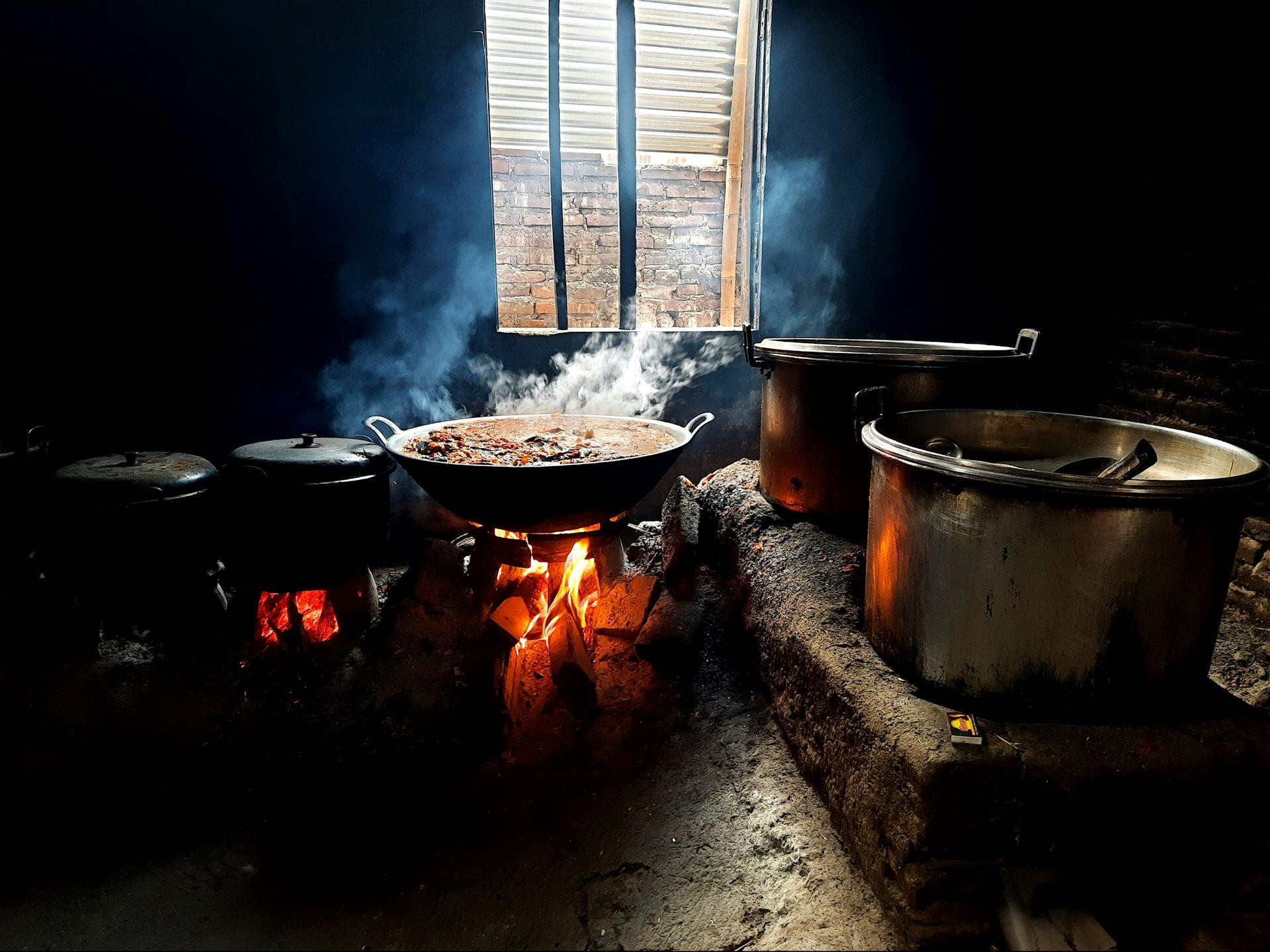
Millions of people are exposed to toxic cooking smoke. RUKUN NIKU NAMIKULO/Shutterstock

The urgency of that inequity has rarely felt more immediate. In December 2025, the UK government published an updated environmental plan that would impose tighter restrictions on wood-burning stoves – a move aimed at cutting PM2.5 pollution, the fine particulate matter small enough to enter the lungs and bloodstream, linked to serious health risks.
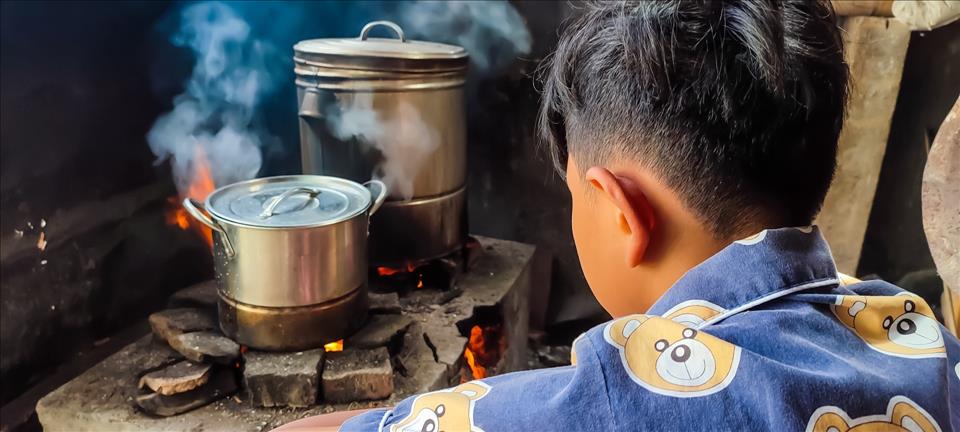
Working with the data felt personal. Each night, I scrolled through country estimates, picturing families preparing meals over smoky stoves, inhaling toxins they cannot see and may not realise are damaging their health. For many communities, shifting to cleaner fuels is not about convenience. It is about survival.
Our study examined how exposure to household air pollution changed between 1990 and 2021 across 204 countries. Although the use of solid fuels such as wood, coal and dung has declined, household air pollution exposure remains widespread and the health consequences are severe.
Household air pollution rarely dominates headlines, yet it claims millions of lives each year. Every time a meal is cooked over smoke-filled flames, families inhale toxins that can shorten lifespans, hinder child development and deepen structural inequities.
Research links childhood exposure to impaired cognitive development, respiratory vulnerability and long-term health disadvantage. These effects are often hidden, unfolding slowly over years, which makes them easy to ignore and harder to address.
Millions of people are exposed to toxic cooking smoke. RUKUN NIKU NAMIKULO/Shutterstock
Household air pollution is a major risk factor for chronic obstructive pulmonary disease, stroke, lower respiratory infections, lung cancer and ischaemic heart disease, which is also called coronary heart disease and occurs when the heart is starved of oxygen because its arteries have narrowed or become blocked. These health risks play out unevenly across the world, and the global patterns in our data underline that unevenness.
Wealthier regions have seen sustained declines in exposure. Global data sets that track access to clean and modern energy show that households in higher income countries now rely far less on polluting stoves than they did in the past. Yet many parts of sub-Saharan Africa and south Asia remain heavily dependent on polluting fuels. Clean options such as liquefied petroleum gas, electricity, ethanol, improved biomass stoves and biogas remain financially out of reach for many households.
But our research can inform investments in clean energy, help shape health policy and strengthen public understanding of the risks.
Governments and development partners can accelerate access to cleaner fuels by improving the infrastructure that delivers them, such as fuel storage, transport and local retail networks. They can also strengthen electricity systems so households have consistent power supplies that support electric cooking.
Subsidies can help lower the cost of clean fuels and stoves so families are not pushed back toward cheaper, more polluting options. Investment in locally appropriate technologies matters because stoves work best when they suit the foods people prepare, the pot sizes they use and the rhythms of daily life.
Health systems can improve diagnosis and treatment for chronic conditions linked to household air pollution, particularly in places where exposure remains high. Stronger data systems also matter, since many countries still lack reliable monitoring of pollution exposure. Without accurate data it is difficult to identify communities at highest risk, measure progress or plan effective interventions.
Community engagement is central to lasting progress. Uptake improves when stoves fit local cooking styles, meet household preferences and are introduced through trusted local groups rather than imposed from outside. People are more likely to try and keep using a new stove when it comes from sources they know and when it aligns with their everyday routines.
Although household air pollution may be perceived as a personal or domestic issue, its effects extend far beyond the home. Clean cooking is not only a sustainability or climate topic. It is a matter of health equity. Clean cooking is not simply about replacing a stove or fuel type. It is about protecting health, expanding opportunity and giving every child the chance to grow up in an environment that does not silently harm them.
Reducing smoke in homes means fewer chronic illnesses, fewer premature deaths and a stronger foundation for global health. If progress slows, the burden will continue to fall most heavily on the places least able to bear it.
Institution:University of Limerick

Legal Disclaimer:
MENAFN provides the
information “as is” without warranty of any kind. We do not accept
any responsibility or liability for the accuracy, content, images,
videos, licenses, completeness, legality, or reliability of the information
contained in this article. If you have any complaints or copyright
issues related to this article, kindly contact the provider above.
Most popular stories
Market Research

More Story






Comments
No comment