




403
Sorry!!
Error! We're sorry, but the page you were looking for doesn't exist.
Worsening Winter Air Quality In Kashmir Raises Health Concerns
(MENAFN- Kashmir Observer)
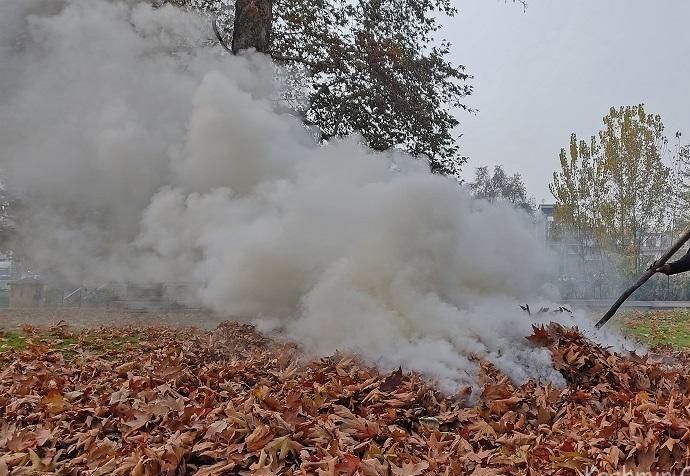
A man burns fallen Chinar tree leaves to make charcoal, which is used by people for heating in harsh winters. KO Photo, Abid Bha
A man burns fallen Chinar tree leaves to make charcoal, which is used by people for heating in harsh winters. KO Photo, Abid Bha
Srinagar- As winter sets in and temperatures continue to dip, Kashmir is witnessing a steady deterioration in air quality, raising serious public health concerns.
Environmental experts and doctors said that prolonged dry weather, increased traffic emissions, biomass burning, and industrial pollutants have pushed pollution levels up, particularly in urban pockets
Residents have reported a visible layer of haze over many parts of the Valley, while air quality monitors have repeatedly recorded PM2.5 and PM10 levels above safe limits in recent days.
ADVERTISEMENTThe pollution levels remained high with PM10 ranging between 136 and 243 micrograms per cubic metre and PM2.5 between 86 and 167 micrograms per cubic metre, both far above the World Health Organization's safe limits.
Speaking to KNO, Dr Javid Ahmad Bhat, said that the worsening air quality is directly impacting public health.“Outpatient departments in hospitals have begun to see a surge in patients complaining of cough, breathlessness, chest tightness, burning eyes, and throat irritation,” he said.
“The number of patients with respiratory issues, especially chronic obstructive pulmonary disease (COPD) and asthma, has notably increased over the past few weeks,” he added.
The doctor said that poor air quality aggravates existing conditions and triggers fresh episodes of respiratory distress. Children, elderly, and people with pre-existing lung or heart conditions are especially vulnerable, he added.
Doctors warned that the impact is not limited to respiratory ailments.
A cardiologist working at GMC Srinagar said that prolonged exposure to polluted air increases the risk of heart attacks, high blood pressure, cardiac arrhythmias, and stroke.“Fine particulate matter enters the bloodstream and can cause inflammation, which puts additional strain on the heart,” he said.
Studies have also linked poor air quality to fatigue, headaches, decreased immunity, anxiety, and disrupted sleep cycles.
Environmental officials attribute the worsening air quality to a combination of factors that include the lack of rainfall, which helps settle dust and pollutants, increased vehicular emissions due to traffic congestion, burning of waste, including plastic and biomass, use of coal bukharis and wood for heating and dust generated from construction sites.
An official said the Valley needs stricter monitoring and long-term planning.“Without sustainable urban management and reduced emissions, we will continue to face worsening air quality each winter,” he said.

Legal Disclaimer:
MENAFN provides the
information “as is” without warranty of any kind. We do not accept
any responsibility or liability for the accuracy, content, images,
videos, licenses, completeness, legality, or reliability of the information
contained in this article. If you have any complaints or copyright
issues related to this article, kindly contact the provider above.
Most popular stories
More Story






Comments
No comment