




403
Sorry!!
Error! We're sorry, but the page you were looking for doesn't exist.
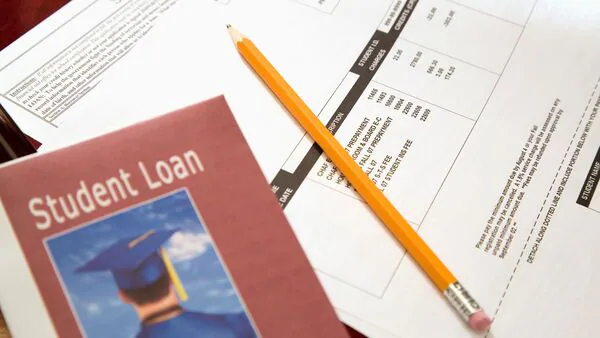
Big Student Loan Changes Hit In 4 Weeks - How Your Payments And Forgiveness Could Shift
(MENAFN- Live Mint) The United States' student loan system is on the cusp of one of its most sweeping overhauls in decades, with a series of major reforms scheduled to begin unfolding within weeks.
As the Education Department races to implement provisions of President Donald Trump's“One Big, Beautiful Bill Act” (OBBBA), millions of borrowers will see their repayment options and eventual loan-forgiveness pathways radically reshaped - and some benefits will disappear entirely.
Why is IBR about to become more accessible?One of the first changes arriving before the end of December is a significant expansion of the Income-Based Repayment (IBR) plan. Previously, borrowers were required to demonstrate a“partial financial hardship” to qualify. Trump's“big beautiful bill” eliminates that barrier, opening IBR to higher earners and most federal student loan holders.
Also Read | What happens to students loan as Trump admin moves to dismantle education dept?The Education Department acknowledged that its systems were still denying eligible applicants earlier this autumn. Under a settlement with the American Federation of Teachers, officials confirmed the updates will be completed by late December. Until then,“servicers will hold IBR applications that would otherwise be denied,” according to new federal guidance.
Higher education expert Mark Kantrowitz said the removal of the hardship test will allow many borrowers previously excluded from IBR to finally access it. Under the scheme, borrowers typically pay 10% of discretionary income - although older loans may require 15% - with forgiveness coming after 20 or 25 years.
What happens to the other income-driven repayment plans?The easier entry into IBR coincides with the gradual disappearance of several other repayment options. Trump's tax and spending package ended the Biden-era Saving on a Valuable Education (SAVE) plan and set a July 2028 sunset for Pay As You Earn (PAYE) and Income-Contingent Repayment (ICR).
Also Read | Donald Trump plans to cancel student loan relief program for some non-profitsSome 2.5 million people currently use ICR or PAYE, according to Kantrowitz. Many ICR borrowers will pay less under IBR, while those on PAYE - especially borrowers who took loans after July 2014 - may see little change. Monthly bills under IBR will, however, be higher than they would have been under SAVE.
By 2028, the landscape will narrow to just two income-linked plans: IBR and a new scheme, the Repayment Assistance Plan (RAP), due to launch in 2026.
What is the new RAP plan and why does it matter?The forthcoming RAP scheme will offer some borrowers their lowest monthly payment - but with a longer wait for forgiveness. Debt cancellation arrives only after 30 years, compared with 20 or 25 years under existing plans. RAP's structure spreads payments across a wider timeline, reducing monthly obligations but extending indebtedness well into the future.
Also Read | White House agrees to forgive student loans; millions to get debt reliefBorrowers will still be able to switch between repayment plans without losing progress towards forgiveness.“The good news is that all of these plans cross-pollinate, so whatever 'count' they have on ICR or PAYE will also count towards whatever plan they switch to,” said Betsy Mayotte, president of The Institute of Student Loan Advisors.
When does student loan forgiveness become taxable again?Another key change arrives on 1 January 2026, when the tax exemption for income-driven repayment (IDR) forgiveness ends. Without congressional action, borrowers receiving forgiveness after that date may face a significant tax bill.
Historically, forgiven debt is treated as taxable income. A lender issues a Form 1099-C, obliging the borrower to report the cancelled amount. While the American Rescue Plan temporarily waived federal tax liability for student loan discharges until the end of 2025, the OBBBA does not extend that relief.
Also Read | US govt shutdown: 'Voice of America' goes silent due to funding cut | 10 pointsTo protect borrowers already approaching forgiveness, the Education Department agreed not to issue 1099-C forms to anyone who reaches their forgiveness milestone by the end of 2025, even if the discharge itself is processed in 2026. Officials advise borrowers in the SAVE plan who are nearing eligibility to consider switching to PAYE, IBR or ICR before 31 December 2025 to secure tax-free cancellation.
Borrowers expecting forgiveness from 2026 onward are urged to consult tax professionals, particularly regarding potential insolvency exemptions or state tax implications.
What other major changes take effect in 2026?From July 2026, several structural shifts will reshape borrowing and repayment:
- New federal borrowing limits for undergraduat and postgraduate students will restrict access to higher loan amounts. Parent PLUS borrowers face the most urgent deadline: those who do not consolidate into the Direct Loan programme by 1 July 2026 will lose access to income-driven repayment altogether. Given that consolidation can take one to three months, the effective window for action is far narrower.
- Consolidated Parent PLUS borrowers must then enrol in ICR and make at least one payment before July 2028 in order to qualify to move into IBR once ICR is phased out. RAP will debut in mid-2026, at the same time the SAVE plan remains entangled in litigation that could force some borrowers into new repayment routes.

Legal Disclaimer:
MENAFN provides the
information “as is” without warranty of any kind. We do not accept
any responsibility or liability for the accuracy, content, images,
videos, licenses, completeness, legality, or reliability of the information
contained in this article. If you have any complaints or copyright
issues related to this article, kindly contact the provider above.
Most popular stories
Market Research

More Story





Comments
No comment