




403
Sorry!!
Error! We're sorry, but the page you were looking for doesn't exist.
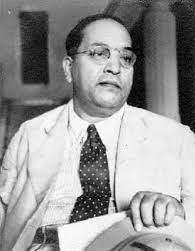
Babasaheb Provided Strong Foundation To India's Democratic Heritage: HM Shah Pays Tribute On Ambedkar Jayanti
(MENAFN- IANS) New Delhi, April 14 (IANS) Union Home Minister Amit Shah on Sunday paid rich tributes to Bharat Ratna Dr Bhimrao Ambedkar, the principal architect of the Indian Constitution, on the occasion of his birth anniversary.
Taking to social media platform X, HM Shah wrote, "Babasaheb Bhimrao Ambedkar, who laid the foundation of social revolution on the basis of education, equality and justice, remained committed to the rights of the deprived throughout his life. By drafting the Constitution based on equality, freedom and fraternity, he provided a strong foundation to India's great democratic heritage. Babasaheb's thoughts towards building a just and egalitarian society inspire all of us even today. I pay my heartfelt tributes to Baba Saheb Bhimrao Ambedkar, the great architect of the Constitution and a symbol of self-respect for millions of countrymen, on his birth anniversary."
Uttar Pradesh Chief Minister Yogi Adityanath also remembered Dr. Ambedkar's immense contribution to the nation paying tribute on his birth anniversary.
In a post on X, he said, "Tribute to the architect of the Indian Constitution, who was all-inclusive, benevolent to all, imbued with excellent democratic values and enriched the spirit of one India, great India, Baba Saheb Dr Bhimrao Ambedkar on his birth anniversary! He was in the true sense of the word 'Bharat Ratna' and a living school of democracy. His struggle to establish an egalitarian and just society will continue to inspire all of us for eternity."
Dr Ambedkar was born on April 14, 1891, as the 14th and last child to his parents.
A tireless crusader for social justice, he founded the Independent Labour Party in 1936 to advocate for the rights of the depressed classes, particularly the labour population.
Known for his strong views, he criticised Congress' attempt in 1938 to merely rename 'untouchables' instead of addressing their real issues.
In 1942, he was appointed to the Executive Council of the Governor General of India as a Labour member. He was later elected to the Constituent Assembly in 1946, the same year he published his influential work 'Who Were the Shudras?'
Post-Independence, Dr Ambedkar served as the first Law Minister of India in Prime Minister Jawaharlal Nehru's cabinet. However, he resigned in 1951 over differences on Kashmir policy, foreign affairs, and reforms like the Hindu Code Bill.
Dr Ambedkar's legacy continues to shape modern India, with leaders and citizens alike drawing inspiration from his vision of equality, justice, and fraternity.

Legal Disclaimer:
MENAFN provides the
information “as is” without warranty of any kind. We do not accept
any responsibility or liability for the accuracy, content, images,
videos, licenses, completeness, legality, or reliability of the information
contained in this article. If you have any complaints or copyright
issues related to this article, kindly contact the provider above.
Most popular stories
Market Research


Comments
No comment